


Understanding Anthracite coal Prices
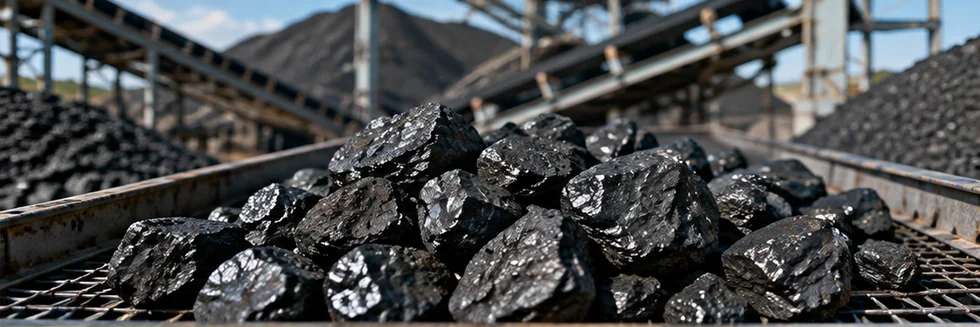
Market Overview & Supply Chain Dynamics
Anthracite Coal is a high-rank material valued for fixed carbon and low volatile matter. Preparation separates lump size fractions, while ash chemistry determines suitability for different combustion or metallurgical duties. Calcination creates a further processed product with distinct properties and costs. Raw sized anthracite and calcined carbon material should therefore be treated as separate commercial forms.
Key Applications & Industrial Demand
Uses include industrial heating, selected metallurgical processes, carbon additions, and filtration media after suitable preparation. Each application values a different combination of carbon content, particle size, cleanliness, and mechanical durability rather than simply the highest heating value.
Key Factors Influencing Anthracite Coal Price Movements
- Carbon and Impurities: Fixed carbon, volatile matter, sulfur, and ash chemistry determine the material's fuel behavior and acceptance in metallurgical applications.
- Sizing and Processing: Lump size recovery, washing yield, drying, and calcination affect the saleable output and the cost of specialized grades.
- Industrial End Use: Metallurgy, heating, and filtration create different demand patterns, while freight and mine concentration influence available regional supply.
How to Interpret Anthracite Coal Pricing Data
Compare quotations per metric ton for the specified size, moisture, carbon, sulfur, and ash. Identify raw, washed, dried, or calcined condition. A metallurgical carbon-additive offer may carry processing premiums absent from a fuel-grade anthracite cargo.
Further reading: EIA: Coal Types
Frequently Asked Questions About Anthracite coal
What drives price changes for Anthracite Coal?
Mine output, sizing yields, industrial consumption, processing capacity, and freight influence anthracite availability and grade premiums.
How do quality or specification differences affect Anthracite Coal pricing?
Fixed carbon, ash, sulfur, moisture, particle size, and calcined versus raw form determine which applications can use a lot.
Why can local Anthracite Coal prices differ from global benchmarks?
Specialty sizing, local industrial demand, import freight, washing or calcining costs, and distributor inventory create differences from broad coal benchmarks.