


Understanding Ammonia fuel Prices
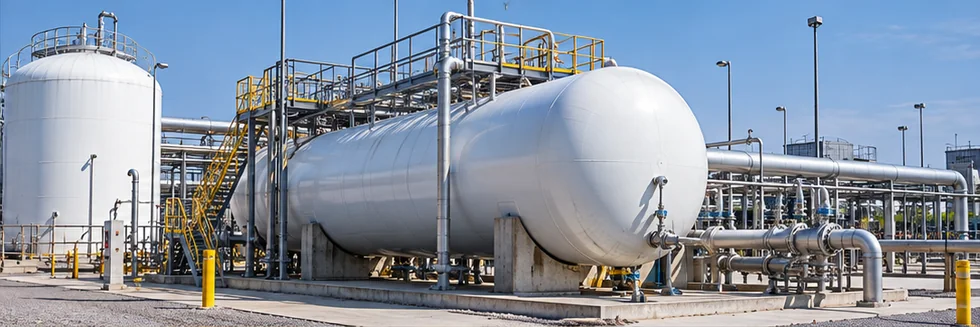
Market Overview & Supply Chain Dynamics
Ammonia Fuel is an energy-carrier application of ammonia produced through Haber-Bosch synthesis. The hydrogen pathway strongly influences production cost and emissions, while refrigerated storage or pressure containment supports liquid handling. Toxicity and NOx control create distinct engineering requirements at delivery and combustion. Conventional ammonia availability does not by itself establish that a cargo has low-carbon fuel attributes.
Key Applications & Industrial Demand
Marine-fuel development, power-sector trials, and industrial energy projects consider ammonia where compatible equipment and handling infrastructure exist. These uses compete with established fertilizer and chemical demand but require their own qualification, safety, and emissions-management arrangements.
Key Factors Influencing Ammonia Fuel Price Movements
- Upstream Synthesis: Hydrogen pathway, nitrogen supply, Haber-Bosch synthesis efficiency, and plant utilization determine production economics and carbon characteristics.
- Storage and Safety: Refrigerated storage, transport equipment, toxicity controls, and receiving-terminal capability influence delivered fuel cost.
- Fuel Qualification: NOx control, engine or boiler compatibility, verified carbon attributes, and competing fertilizer demand shape the market available to energy buyers.
How to Interpret Ammonia Fuel Pricing Data
Compare currency per metric ton alongside purity, carbon documentation, delivery point, and storage scope. Converting to cost per energy unit helps assess alternatives, but combustion efficiency and emissions control also matter. A fertilizer-terminal offer does not include an entire fuel-delivery system.
Further reading: EPRI: Ammonia and Fuel Synthesis
Frequently Asked Questions About Ammonia fuel
What drives price changes for Ammonia Fuel?
Hydrogen and natural-gas economics, synthesis capacity, fertilizer demand, low-carbon project availability, and specialized transport influence fuel-ammonia pricing.
How do quality or specification differences affect Ammonia Fuel pricing?
Purity, water content, lifecycle emissions, traceability, and equipment requirements distinguish fuel offers. Conventional and verified low-carbon ammonia have different commercial attributes.
Why can local Ammonia Fuel prices differ from global benchmarks?
Storage, ammonia-handling infrastructure, port access, safety systems, freight, and local fuel qualification add costs beyond a bulk ammonia cargo.