


Understanding Aluminum billet Prices
Market Overview & Supply Chain Dynamics
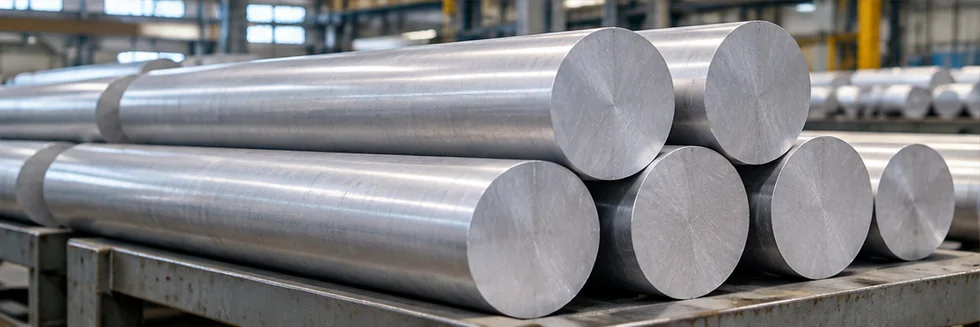
Aluminum Billet is cast to a specified alloy series and billet diameter, then often undergoes homogenization and surface scalping. These steps prepare metal for stable extrusion and reduce defects. The extrusion premium reflects casting, alloying, thermal processing, and availability in addition to aluminum's metal value. Primary, recycled-content, and different certified alloys create distinct commercial offers.
Key Applications & Industrial Demand
Extruders turn billets into architectural profiles, transport components, industrial shapes, and other long products. Alloy chemistry and billet quality influence extrusion speed, surface finish, and mechanical properties after heat treatment. A plant also needs dimensions compatible with its press and handling system.
Key Factors Influencing Aluminum Billet Price Movements
- Metal and Alloy Basis: Primary or secondary aluminum, alloying additions, energy, and casting recovery influence the cost of billet metal before processing premiums.
- Thermal and Surface Quality: Homogenization and surface scalping affect extrusion behavior, while alloy series consistency helps maintain finish, speed, and downstream properties.
- Press-Compatible Supply: Billet diameter, length, available stock, and extrusion premium determine whether a shipment can fit a customer's equipment and production schedule.
How to Interpret Aluminum Billet Pricing Data
Billet often trades against an aluminum reference plus a billet premium per metric ton. Align alloy, diameter, thermal condition, recycled-content documentation, benchmark period, and delivery. A primary-ingot value does not represent ready-to-extrude feedstock.
Further reading: USGS Aluminum Production and Uses
Frequently Asked Questions About Aluminum billet
What Drives Price Changes for Aluminum Billet?
Aluminum benchmarks, regional metal premiums, billet capacity, energy, and extrusion demand influence prices. Availability of a specific alloy and diameter can change the conversion premium.
How Do Quality or Specification Differences Affect Aluminum Billet Pricing?
Alloy chemistry, homogenization, internal soundness, surface quality, dimensions, and certification matter. A cheaper billet may reduce extrusion speed or increase visible-profile rejects.
Why Can Local Aluminum Billet Prices Differ From Global Benchmarks?
Local casting capacity, freight, import duty, alloy stocks, and press-compatible dimensions affect costs. Qualified nearby billet can avoid long shipments and disruptive production changes.