


Understanding Aluminum alloy ADC12 Prices
Market Overview & Supply Chain Dynamics
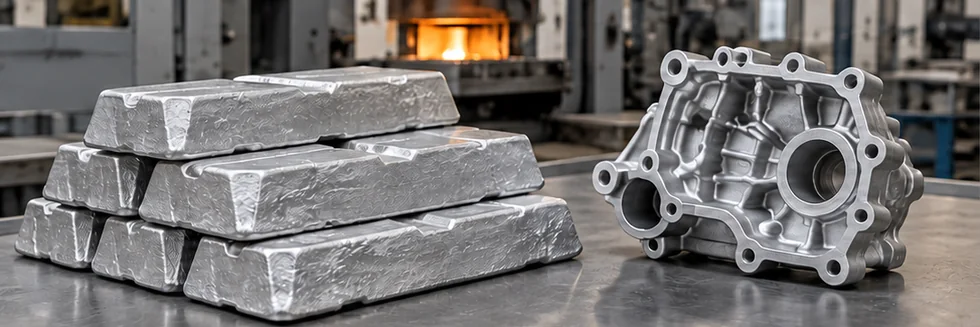
Aluminum Alloy ADC12 is an aluminum casting composition containing silicon and copper, with an iron limit and other controlled elements. Die casting and melt cleanliness are central to its commercial value. Secondary-metal plants blend scrap and alloy additions, refine the melt, and cast ingots. A general primary-aluminum reference therefore omits both the benefits and constraints of a ready-made casting alloy.
Key Applications & Industrial Demand
Automotive housings, machinery parts, appliance components, and other intricate castings use suitable ADC12. Foundries need reliable filling, soundness, machining, and finishing. The same ingot may behave differently if contamination, dissolved gas, or chemistry falls outside the caster's approved specification.
Key Factors Influencing Aluminum Alloy ADC12 Price Movements
- Scrap and Alloy Inputs: Aluminum scrap availability, silicon, copper, energy, and recovery losses determine the economics of producing specification-compliant secondary casting alloy.
- Composition Control: Silicon, copper, and iron limit compliance affect casting and mechanical behavior, requiring controlled blends rather than arbitrary mixed aluminum feed.
- Casting Yield: Melt cleanliness, gas control, and stable die casting performance influence rejects, making consistent ingots valuable beyond their gross aluminum content.
How to Interpret Aluminum Alloy ADC12 Pricing Data
ADC12 is usually quoted per kilogram or metric ton of ingots. Compare the full chemical specification, certificate, cleanliness, package, and delivery basis. An exchange primary-aluminum price does not include alloying, recycling, refining, or the caster's yield risk.
Further reading: USGS Aluminum Industry Information
Frequently Asked Questions About Aluminum alloy ADC12
What Drives Price Changes for Aluminum Alloy ADC12?
Scrap prices, alloy additions, energy, secondary-smelter runs, and die-casting orders influence ADC12. Regional automotive and appliance production can change ingot demand quickly.
How Do Quality or Specification Differences Affect Aluminum Alloy ADC12 Pricing?
Full chemistry, inclusions, gas, traceability, and consistency determine value. A nominal ADC12 label does not replace analysis of the elements and cleanliness required by the foundry.
Why Can Local Aluminum Alloy ADC12 Prices Differ From Global Benchmarks?
Scrap collection, smelter energy, freight, duties, local alloy stocks, and foundry demand influence prices. Nearby qualified ingots can reduce remelting and rejection costs.