


Understanding Agricultural electricity for irrigation Prices
Market Overview & Supply Chain Dynamics
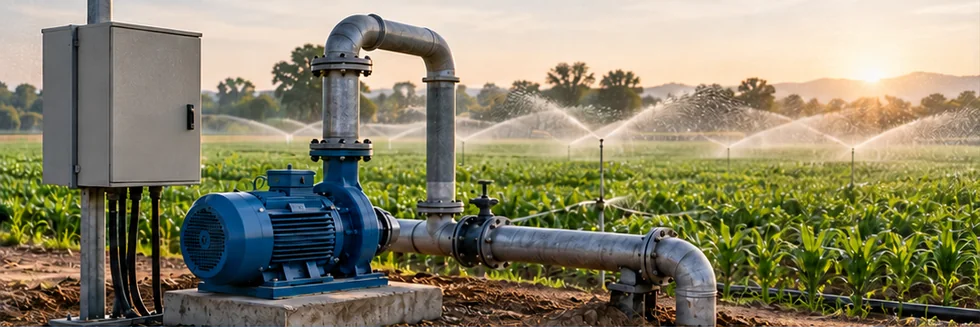
Agricultural Electricity for Irrigation powers the pumps that lift and pressurize water for fields, orchards, and controlled-growing systems. Pump head, motor efficiency, and pipe losses determine electricity use per volume delivered. Seasonal demand follows crop-water needs, while an irrigation window or interruptible service arrangement may limit when the pump can run under the agricultural tariff.
Key Applications & Industrial Demand
Growers use electrically driven wells, surface-water pumps, center pivots, and pressurized drip networks. Irrigation scheduling balances crop stress, available water, pumping capacity, and electricity cost. A cheaper night tariff offers limited benefit if reservoir, labor, or watering restrictions prevent rescheduling.
Key Factors Influencing Agricultural Electricity for Irrigation Price Movements
- Water Lift and Pressure: Greater pump head increases energy requirements; changing groundwater levels can raise irrigation expense even when the electricity tariff is unchanged.
- Crop-Water Timing: The irrigation window and seasonal demand determine whether growers can use cheaper hours without compromising crop-water requirements.
- Equipment and Contract Design: Motor efficiency and interruptible service terms influence the effective pumping cost and the operational flexibility available to the farm.
How to Interpret Agricultural Electricity for Irrigation Pricing Data
Evaluate the tariff in currency per kilowatt-hour alongside pumping energy per cubic meter of water. Compare agricultural eligibility, seasonal connection charges, and curtailment rights. A low energy rate can still produce high irrigation costs when groundwater lift or system pressure is large.
Further reading: DOE: Evaluating Utility Rate Options
Frequently Asked Questions About Agricultural electricity for irrigation
What drives price changes for Agricultural Electricity for Irrigation?
Tariff revisions change purchased-energy costs, while drought, groundwater depth, and crop-water demand change how much pumping electricity the farm requires.
How do quality or specification differences affect Agricultural Electricity for Irrigation pricing?
Agricultural eligibility, connection voltage, pumping capacity, seasonal billing, and interruption rights define the service. Pump and motor efficiency determine usable water per kilowatt-hour.
Why can local Agricultural Electricity for Irrigation prices differ from global benchmarks?
Rural network costs, pumping subsidies where available, water-source depth, and local irrigation rules influence bills beyond the wholesale value of electricity.