


Understanding 5 mm float glass Prices
Market Overview & Supply Chain Dynamics
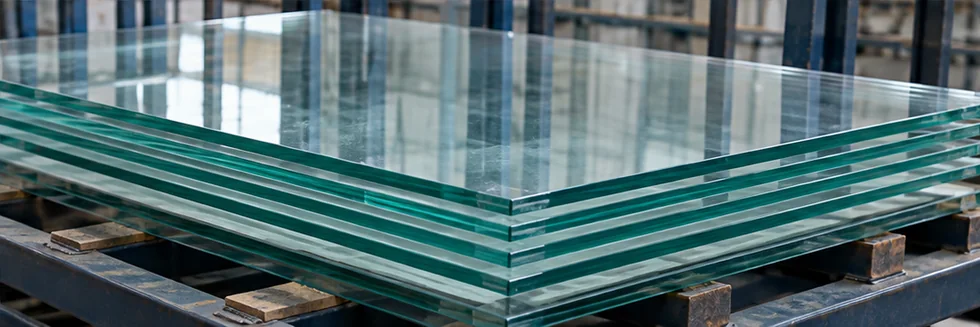
5 mm Float Glass is annealed flat glass made by the float process and supplied at a nominal thickness. Thickness tolerance, optical distortion, and edge quality affect commercial acceptance. It can be cut and further processed into appropriate glazing products, but the annealed state does not automatically meet safety-glazing requirements. Clear, tinted, coated, and low-iron variants also represent different products.
Key Applications & Industrial Demand
Windows, furniture, mirrors, partitions, and further glass-processing operations use suitable 5 mm sheets. Final application may require tempering, laminating, coating, or other processing. Buyers therefore distinguish raw sheets from fabricated glazing certified for a specific installation.
Key Factors Influencing 5 mm Float Glass Price Movements
- Glass Furnace Economics: Silica, soda ash, cullet, fuel, and float process utilization influence the cost and availability of flat glass.
- Sheet Quality: Thickness tolerance, optical distortion, inclusions, scratches, and edge quality determine yield and suitability for visible or further-processed products.
- Fabrication Stage: Annealed state, sheet size, cutting, packing, and demand from processors affect value, while safety treatment or coatings add separate conversion cost.
How to Interpret 5 mm Float Glass Pricing Data
Float glass commonly trades per square meter, sheet, or packed case. Confirm nominal 5 mm thickness, dimensions, color, coatings, and cutting scope. Tempered or laminated prices include later processing and should not be read as equivalent raw float-glass offers.
Further reading: Guardian Glass Types and Float Manufacturing
Frequently Asked Questions About 5 mm float glass
What Drives Price Changes for 5 mm Float Glass?
Furnace fuel, raw materials, capacity, construction, and processor orders influence prices. Regional sheet stocks can move differently from custom fabricated-glass demand.
How Do Quality or Specification Differences Affect 5 mm Float Glass Pricing?
Thickness, optical defects, scratches, inclusions, dimensions, color, and edge condition matter. Ordinary annealed float should not be assumed equivalent to certified safety glazing.
Why Can Local 5 mm Float Glass Prices Differ From Global Benchmarks?
Fragile-sheet freight, packing, cutting, breakage, duties, and local processor demand affect prices. Case quantity and stock dimensions influence handling and usable-area yield.