


Understanding 4-layer PCB Prices
Market Overview & Supply Chain Dynamics
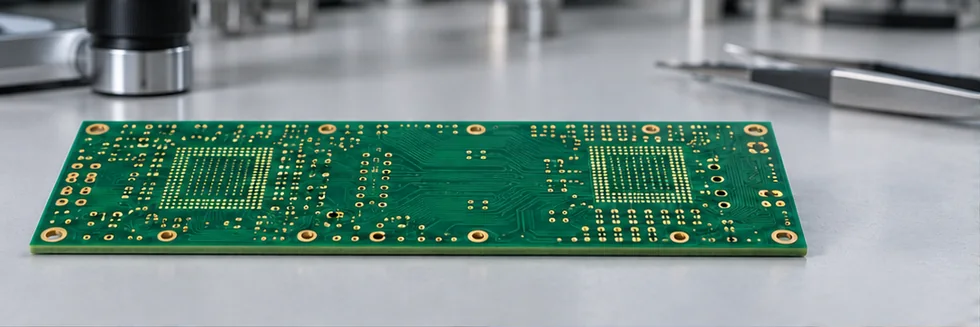
A 4-layer PCB contains four copper layers bonded with insulating laminate. The stackup determines where signal traces, power, and ground planes sit, while copper weight and controlled impedance requirements influence fabrication. Drilling, plated vias, imaging, etching, solder-mask application, surface finish, and electrical testing add separate process steps. Board area alone is therefore a poor measure of manufacturing difficulty or the cost of a reliable production panel.
Key Applications & Industrial Demand
Industrial controls, communications equipment, embedded computers, instrumentation, and consumer products use four-layer boards when routing density and return-current paths exceed simple two-layer layouts. Procurement may involve bare boards only or a later assembly contract; components and soldering belong to the latter and can dwarf the laminate cost.
Key Factors Influencing 4-Layer PCB Price Movements
- Electrical Stackup: Controlled impedance, dielectric selection, stackup tolerances, and copper weight determine material requirements and the amount of process control needed.
- Hole and Finish Complexity: Plated vias, fine drilling, surface finish, solder-mask registration, and electrical testing influence yield and fabrication time.
- Panel and Lead-Time Economics: Board shape, manufacturing panel utilization, order quantity, and expedited scheduling affect the cost allocated to each finished circuit board.
How to Interpret 4-Layer PCB Pricing Data
Fabricators quote boards by dimensions, quantity, panel utilization, and technical specification rather than a standardized commodity price. Ask whether tooling, testing, shipping, and impedance verification are included. Hole count, minimum trace geometry, material grade, finish, and delivery urgency explain differences between quotations for the same nominal layer count.
Further reading: Eurocircuits: PCB Design Guidelines
Frequently Asked Questions About 4-layer PCB
What drives price changes for 4-Layer PCB?
Laminate availability, copper requirements, drilling complexity, panel utilization, testing, and fabrication lead time drive bare-board quotations.
How do quality or specification differences affect 4-Layer PCB pricing?
Impedance control, material grade, copper thickness, via geometry, finish, and inspection requirements distinguish production-quality circuit boards.
Why can local 4-Layer PCB prices differ from global benchmarks?
Prototype quantities, tooling, customs, courier speed, engineering review, and local fabrication support differ from offshore production-panel pricing.