


Understanding 316L stainless steel coil Prices
Market Overview & Supply Chain Dynamics
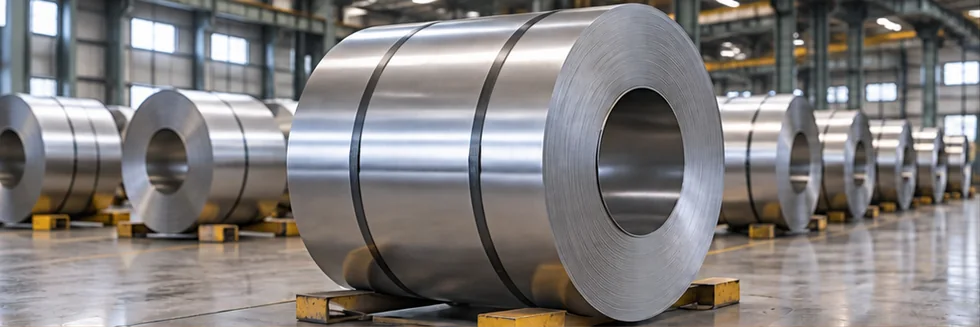
316L Stainless Steel Coil combines low carbon, molybdenum, and an austenitic structure in rolled flat material. Surface finish and gauge tolerance influence fabrication as well as appearance. Steelmaking, refining, rolling, annealing, and pickling create the finished coil, with additional cold rolling or polishing for selected uses.316L improves corrosion performance for many applications but is not immune to every chloride or chemical environment.
Key Applications & Industrial Demand
Chemical equipment, food-processing systems, architectural work, tanks, and fabricated components use 316L when its corrosion and welding characteristics fit the service. Coil users may slit, cut, form, or weld it further. Surface cleanliness and finish can matter greatly in hygienic applications.
Key Factors Influencing 316L Stainless Steel Coil Price Movements
- Alloy Inputs: Nickel, molybdenum, chromium, and stainless scrap influence alloy costs, while stainless-mill schedules affect the availability of a specified gauge and width.
- Corrosion and Welding Grade: Low carbon and molybdenum distinguish 316L from other stainless grades, with chemistry and certification important to demanding welded or corrosive service.
- Rolling and Finish: Surface finish, gauge tolerance, coil size, and austenitic structure affect formability, appearance, usable area, and additional fabrication requirements.
How to Interpret 316L Stainless Steel Coil Pricing Data
Coil offers often use metric tons with grade, thickness, width, finish, and edge condition stated. Compare alloy surcharges and base-price timing consistently. A polished sheet or slit strip includes conversion value that a master-coil benchmark excludes.
Further reading: Outokumpu 316L Stainless Steel Properties
Frequently Asked Questions About 316L stainless steel coil
What Drives Price Changes for 316L Stainless Steel Coil?
Nickel and molybdenum costs, stainless capacity, project demand, and inventory move 316L coil prices. Availability in a specific gauge or finish can create separate premiums.
How Do Quality or Specification Differences Affect 316L Stainless Steel Coil Pricing?
Chemistry, low-carbon certification, thickness tolerance, finish, flatness, and traceability matter.316L and 304 are different alloy products despite similar visible appearance.
Why Can Local 316L Stainless Steel Coil Prices Differ From Global Benchmarks?
Freight, import duty, polishing, slitting, stock sizes, and local fabrication demand affect prices. Qualified material and project documentation can add value beyond a broad stainless benchmark.