


Understanding White sesame Prices
Market Overview & Supply Chain Dynamics
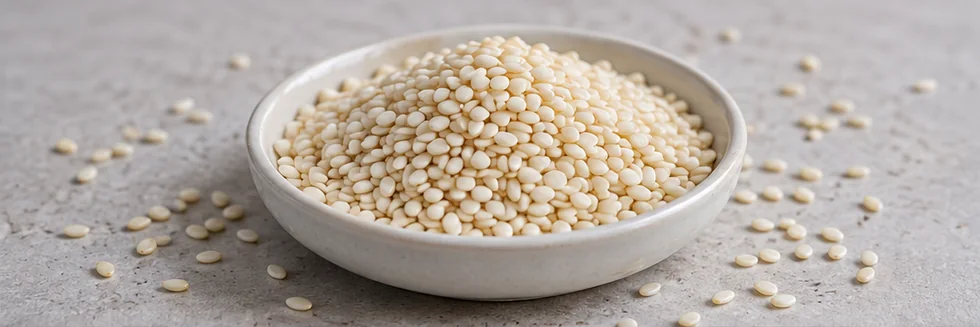
White Sesame is traded as natural seed, hulled seed, or further processed food material. Hulling changes yield, appearance, and cost. Color uniformity and purity matter for bakery toppings and visible ingredients, while oil content supports crushing value. Microbial control is important in food supply chains, making raw commodity seed different from a validated ready-to-use ingredient.
Key Applications & Industrial Demand
Tahini, bakery goods, confectionery, seasoning, and sesame-oil production support demand. Buyers select seed color, flavor, hull status, and treatment to fit their process, with premium appearance especially relevant where whole seeds remain visible.
Key Factors Influencing White Sesame Price Movements
- Appearance and Recovery: Color uniformity, purity, and hulling yield determine the output suitable for premium visible food applications.
- Oil and Flavor Value: Oil content, origin characteristics, and sensory acceptance influence demand from tahini, oil, and confectionery manufacturers.
- Food-Safety Processing: Microbial control, cleaning, traceability, packing, and required testing add costs between raw seed and a food-ready ingredient.
How to Interpret White Sesame Pricing Data
Compare local-currency or US-dollar prices per kilogram or metric ton with hull status, purity, color, moisture, and treatment specified. Hulled or heat-treated food ingredients include processing costs absent from an uncleaned farm lot.
Further reading: FAO: Oilseed Processing and Quality
Frequently Asked Questions About White sesame
What drives price changes for White Sesame?
Harvest supply, color-grade recovery, tahini and bakery orders, oil values, and export logistics influence white-sesame prices.
How do quality or specification differences affect White Sesame pricing?
Hull status, purity, whiteness, oil content, moisture, flavor, and food-safety treatment determine usable value for each buyer.
Why can local White Sesame prices differ from global benchmarks?
Cleaning, hulling, validated treatment, packaging, freight, and local food-manufacturing requirements create premiums beyond raw-seed export prices.