


Understanding Walnuts Prices
Market Overview & Supply Chain Dynamics
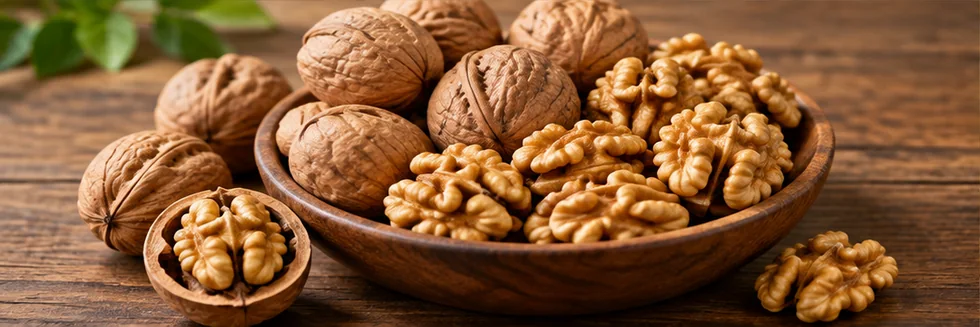
Walnuts trade as in-shell nuts or prepared kernels, with kernel color and the share of halves defining important shelled grades. Drying protects quality after harvest, while shell fragments, mold, and rancidity reduce acceptance. Light intact kernels can carry appearance premiums, but darker sound pieces may remain suitable for particular baking and ingredient applications.
Key Applications & Industrial Demand
Snack sales, bakery goods, confectionery, pastes, and foodservice use walnuts in different sizes. Retail presentation favors attractive halves, whereas manufacturers can specify pieces that deliver flavor more economically in mixed or baked products.
Key Factors Influencing Walnuts Price Movements
- Kernel Appearance: Kernel color, halves recovery, shriveling, and discoloration determine the supply available for premium presentation-oriented sales.
- Edible Condition: Drying, shell fragments, mold, and rancidity affect usable flavor, safety qualification, and storage potential.
- Ingredient Mix: Snack and bakery orders, piece-size demand, harvest output, cold storage, and export logistics influence relative grade premiums.
How to Interpret Walnuts Pricing Data
Compare prices per pound or kilogram on the same in-shell or kernel basis. State color, size classification, halves percentage, defects, and packing. Shell weight and cracking recovery make an in-shell price fundamentally different from an edible-kernel quotation.
Further reading: USDA: Shelled Walnut Grades
Frequently Asked Questions About Walnuts
What drives price changes for Walnuts?
Crop output, kernel recovery, color mix, whole-half availability, export demand, and bakery or snack orders influence walnut prices.
How do quality or specification differences affect Walnuts pricing?
In-shell versus shelled form, kernel color, size, halves share, defects, and freshness define different walnut products.
Why can local Walnuts prices differ from global benchmarks?
Cracking, sorting, protected storage, preparation, freight, import costs, and local demand for particular color grades add premiums.