


Understanding Viscose yarn, Ne 30 Prices
Market Overview & Supply Chain Dynamics
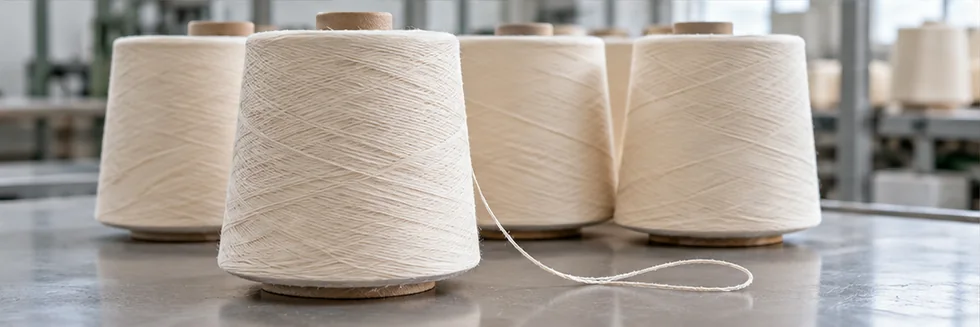
Viscose Yarn, Ne 30 is spun from regenerated cellulose rather than harvested cotton fiber. Ne30 count, wet strength, evenness, and twist define important commercial characteristics. Fiber production, spinning preparation, drawing, and winding create the final yarn package. Viscose, modal, and lyocell use related cellulose feedstocks but differ in processing and properties, so their yarns should not be treated as identical.
Key Applications & Industrial Demand
Apparel, linings, knitwear, woven fabrics, and blended textiles use suitable viscose yarn for drape, feel, and dyeing behavior. Buyers match spinning system, twist, and package to knitting or weaving. Finishing and wet processing must account for the actual fiber and construction.
Key Factors Influencing Viscose Yarn, Ne 30 Price Movements
- Cellulose-Fiber Inputs: Dissolving pulp, viscose-fiber production, energy, environmental controls, and spinning waste influence the cost of regenerated cellulose feedstock.
- Yarn Specification: Ne30 count, evenness, twist, hairiness, and dry or wet strength affect fabric appearance and the speed of downstream textile conversion.
- Processing Qualification: Wet strength, dye consistency, winding quality, contamination, and knitting or weaving requirements influence usable-yarn value and substitution options.
How to Interpret Viscose Yarn, Ne 30 Pricing Data
Viscose yarn generally quotes per kilogram with Ne30 count, ply, spinning route, twist, and package specified. Confirm the fiber composition rather than assuming all soft cellulose yarn is viscose. Modal, lyocell, blends, and finished fabrics represent different products and processing costs.
Further reading: Lenzing Regenerated-Cellulose Fiber Technology
Frequently Asked Questions About Viscose yarn, Ne 30
What Drives Price Changes for Viscose Yarn, Ne 30?
Viscose-fiber costs, dissolving pulp, energy, spinning output, apparel orders, and inventory affect prices. Environmental or operating constraints in fiber production can alter availability.
How Do Quality or Specification Differences Affect Viscose Yarn, Ne 30 Pricing?
Composition, count, strength, evenness, twist, hairiness, contamination, and winding matter. Viscose and other regenerated fibers can behave differently in wet processing and final fabric use.
Why Can Local Viscose Yarn, Ne 30 Prices Differ From Global Benchmarks?
Fiber access, spinning equipment, energy, freight, duties, approvals, and local fabric demand affect prices. Qualified packages can reduce loom or knitting losses compared with irregular cheap stock.