


Understanding Used beverage can (UBC) aluminum scrap Prices
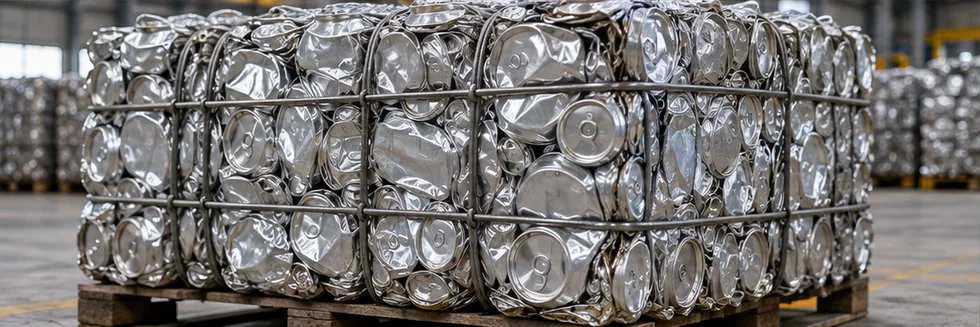
Market Overview & Supply Chain Dynamics
Used Beverage Can (UBC) Aluminum Scrap is collected, separated, and compacted for remelting. Can-body alloy, coatings, bale density, moisture, and contamination determine recovery value. Sorting must distinguish beverage cans from other packaging and nonmetallic waste. Recycling includes decoating and melt treatment, so the price paid for a bale reflects expected recovered metal rather than the gross weight of everything inside it.
Key Applications & Industrial Demand
Can-sheet producers and secondary-aluminum plants use suitable UBC streams. Closed-loop can recycling values a consistent alloy mix and clean collection. Other remelters may accept different contamination levels or direct the recovered metal into alternative alloys.
Key Factors Influencing Used Beverage Can (UBC) Aluminum Scrap Price Movements
- Collection and Sorting: Beverage consumption, deposit systems, separation efficiency, and contamination affect the volume and cleanliness of UBC offered to recyclers.
- Recovery Economics: Coatings, moisture, and can-body alloy influence decoating, melt losses, and the amount of usable aluminum recovered from a purchased bale.
- Transport Efficiency: Bale density, freight distance, handling equipment, and buyer preparation requirements determine the cost of moving bulky can scrap to a remelter.
How to Interpret Used Beverage Can (UBC) Aluminum Scrap Pricing Data
UBC prices are commonly per kilogram or metric ton with deductions for moisture and contamination. Specify loose or baled condition and agreed grade. A primary-aluminum benchmark excludes decoating, melting loss, sorting, and the costs of restoring usable alloy chemistry.
Further reading: Aluminum Association Container Recycling Guide
Frequently Asked Questions About Used beverage can (UBC) aluminum scrap
What Drives Price Changes for Used Beverage Can (UBC) Aluminum Scrap?
Aluminum values, can collection, sorting costs, freight, and remelter demand influence UBC prices. Clean, dense bales can earn premiums over mixed packaging scrap.
How Do Quality or Specification Differences Affect Used Beverage Can (UBC) Aluminum Scrap Pricing?
Moisture, non-can metal, plastics, dirt, bale density, and recovery yield matter. Gross bale weight does not establish the quantity of aluminum a buyer can recover.
Why Can Local Used Beverage Can (UBC) Aluminum Scrap Prices Differ From Global Benchmarks?
Collection systems, local recycling capacity, transport distance, bale preparation, taxes, and buyer deductions influence prices. Loose cans can incur particularly high freight per recoverable ton.