


Understanding Upland cotton lint Prices
Market Overview & Supply Chain Dynamics
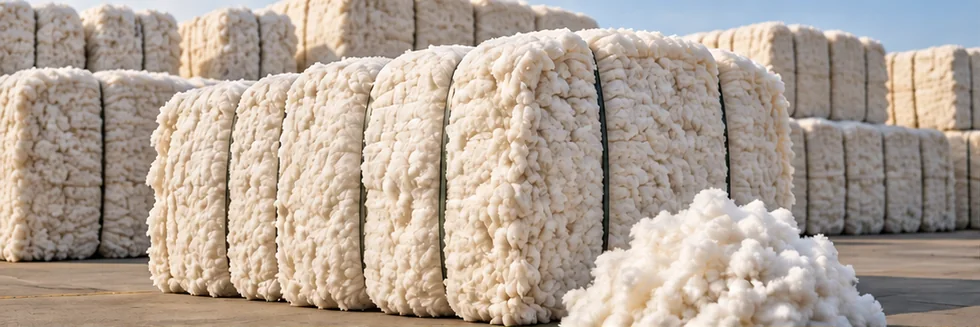
Upland Cotton Lint is separated from seed by ginning and classed for staple length, micronaire, fiber strength, trash content, and color grade. Bale blending allows spinning mills to manage variation across a crop. Upland is a cotton species category, not a guarantee of identical fiber quality. Ginning, moisture, contamination control, and classing determine the lot a mill can actually use.
Key Applications & Industrial Demand
Spinners convert upland lint into yarn for apparel, home textiles, and industrial fabrics. Required fiber characteristics depend on yarn fineness and the spinning system. Longer or cleaner lint can improve a particular program, but the optimal bale mix is determined by the mill's target yarn.
Key Factors Influencing Upland Cotton Lint Price Movements
- Crop and Ginning Supply: Weather, planted area, yields, harvest timing, ginning capacity, and contamination control influence the available volume of saleable upland lint.
- Spinning Quality: Staple length, micronaire, and fiber strength affect yarn capability, while trash content changes cleaning losses and the amount of usable fiber.
- Class and Location: Color grade, bale moisture, origin, storage, certification, and delivery costs determine premiums or discounts around a broad cotton reference.
How to Interpret Upland Cotton Lint Pricing Data
Lint may quote in cents per pound or another defined weight basis. Align grade, staple, micronaire, bale condition, quotation period, and shipping terms. A cotton-yarn price includes cleaning, spinning, and packaging, while cottonseed or seed-cotton prices describe different products.
Further reading: CottonWorks Cotton Yarn and Textile Resources
Frequently Asked Questions About Upland cotton lint
What Drives Price Changes for Upland Cotton Lint?
Crop expectations, weather, stocks, textile-mill runs, trade flows, currencies, and freight influence lint prices. Premiums for a particular quality can change independently of a headline cotton benchmark.
How Do Quality or Specification Differences Affect Upland Cotton Lint Pricing?
Staple, micronaire, strength, uniformity, color, trash, and contamination matter. A cheap bale can cost more after cleaning losses or limitations on the yarn it can produce.
Why Can Local Upland Cotton Lint Prices Differ From Global Benchmarks?
Origin, inland transport, warehousing, duties, financing, and local spinning demand affect prices. A mill's approved bale specification also changes the value of nearby stock.