


Understanding Tungsten APT Prices
Market Overview & Supply Chain Dynamics
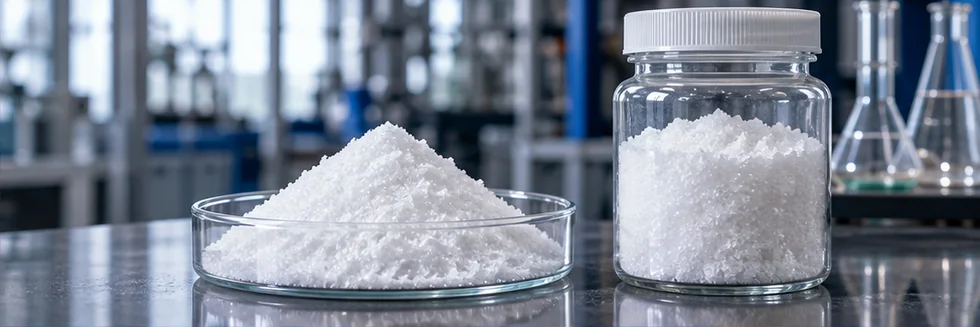
Tungsten APT is ammonium paratungstate made by chemical refining and crystallization of tungsten-bearing feed. WO3 basis, impurity limits, and crystal quality determine its commercial value. The salt is converted into oxide, metal powder, and other intermediates before many end uses. Cemented carbide demand reaches the APT market through this processing chain, so a finished cutting-tool price is a very different product value.
Key Applications & Industrial Demand
Carbide-powder and tungsten-product manufacturers use qualified APT for hard metals, industrial tooling, and specialty components. Controlled impurities support predictable powder processing. Ore concentrate, APT, tungsten metal, and carbide powder each require their own specification and settlement basis.
Key Factors Influencing Tungsten APT Price Movements
- Tungsten Feed Availability: Mine concentrate, recycling inputs, refining recovery, and trade conditions influence the amount of tungsten entering APT chemical production.
- Chemical Refining: Crystallization, impurity limits, and ammonium paratungstate quality affect conversion yield and the consistency of downstream tungsten powders.
- Hard-Metal Orders: Cemented carbide production, tooling demand, and WO3 basis settlement determine purchasing value, with inventories often held at several stages of the chain.
How to Interpret Tungsten APT Pricing Data
APT is often expressed in US dollars per metric ton unit of WO3, not simply per ton of salt. Confirm the exact convention, assay, taxes, delivery, and quotation date. Concentrate and carbide benchmarks require conversion adjustments before comparison.
Further reading: USGS Tungsten Industry Information
Frequently Asked Questions About Tungsten APT
What Drives Price Changes for Tungsten APT?
Concentrate supply, refining output, carbide orders, recycling flows, and trade restrictions influence APT prices. Processing bottlenecks can tighten APT even when some tungsten feed remains available.
How Do Quality or Specification Differences Affect Tungsten APT Pricing?
WO3-equivalent assay, trace metals, alkalis, moisture, and crystal consistency matter. Powder manufacturers can require impurity limits beyond a generic APT description.
Why Can Local Tungsten APT Prices Differ From Global Benchmarks?
Refining access, taxes, freight, duties, qualified stocks, and nearby carbide manufacture affect prices. Different metal-unit conventions can produce misleading apparent price gaps.