


Understanding Thick steel plate Prices
Market Overview & Supply Chain Dynamics
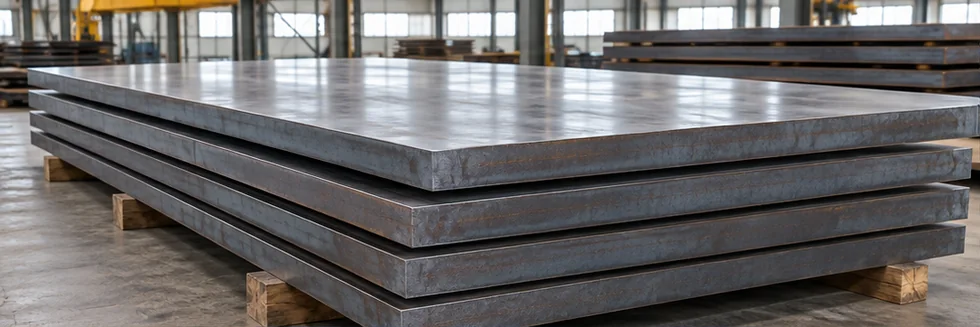
Thick Steel Plate is rolled from slabs and finished to a specified thickness tolerance, yield strength, and application standard. Impact toughness, heat treatment, and ultrasonic testing create important quality tiers. Ordinary construction plate differs from pressure-vessel or offshore material. Rolling capacity, slab availability, and the ability to deliver certified thick sections determine supply more precisely than a general steel-price index.
Key Applications & Industrial Demand
Bridges, heavy machinery, ships, energy equipment, storage systems, and fabricated structures use thick plate. Fabricators need chemistry and weldability suited to their design, while critical service can require certified testing. Cutting and nesting influence how much purchased plate becomes finished components.
Key Factors Influencing Thick Steel Plate Price Movements
- Plate-Mill Capacity: Slab costs, rolling schedules, reheating energy, and the mill's thickness capability determine the availability of heavy sections in requested dimensions.
- Mechanical Qualification: Yield strength, impact toughness, and heat treatment distinguish grades whose fabrication or service demands exceed ordinary construction requirements.
- Testing and Yield: Ultrasonic testing, thickness tolerance, flatness, and cut-size efficiency affect acceptance and the actual weight of useful plate delivered to a fabricator.
How to Interpret Thick Steel Plate Pricing Data
Plate prices generally use metric tons, sometimes with surcharges for thickness, width, grade, testing, and heat treatment. Compare actual dimensions and certification. A per-sheet offer can conceal weight differences, while cutting and scrap yield affect the cost of each finished component.
Further reading: SSAB Steel Plate Products
Frequently Asked Questions About Thick steel plate
What Drives Price Changes for Thick Steel Plate?
Slab costs, plate-mill utilization, shipbuilding, infrastructure, and energy-project orders influence prices. Specialized thick or tested grades can face longer lead times than ordinary plate.
How Do Quality or Specification Differences Affect Thick Steel Plate Pricing?
Strength, toughness, chemistry, flatness, thickness tolerance, heat treatment, and internal testing matter. These requirements distinguish engineered plate from general structural stock.
Why Can Local Thick Steel Plate Prices Differ From Global Benchmarks?
Heavy-load transport, cutting services, certification, duties, local stock sizes, and project schedules affect prices. Availability of a correctly sized plate can reduce expensive fabrication waste.