


Understanding Swine Prices
Market Overview & Supply Chain Dynamics
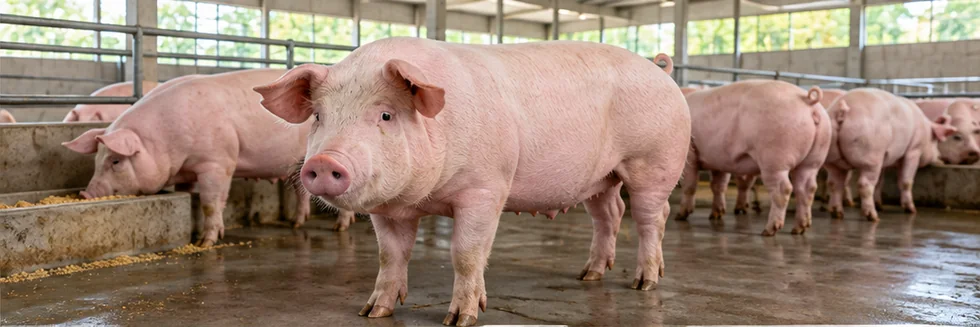
Swine quotations generally describe live pigs at a stated production stage. Live weight must remain separate from dressing yield and the meat eventually sold. Market weight, lean percentage, and health status influence slaughter-buyer acceptance. A finished hog, breeding animal, and feeder pig represent different biological and commercial products even when all are called swine.
Key Applications & Industrial Demand
Slaughter plants procure market-ready pigs to supply pork primals and further processors. Breeding and growing operations buy other stages based on genetics, growth potential, and health, with distinct pricing conventions.
Key Factors Influencing Swine Price Movements
- Production Pipeline: Breeding cycles, feed cost, growth, disease pressure, and health status determine the number of finished pigs reaching market.
- Carcass Potential: Market weight, lean percentage, and dressing yield influence the value a processor can recover from each live animal.
- Slaughter Access: Plant capacity, live weight measurement, transport shrink, movement conditions, and nearby pork demand shape farm-level bids.
How to Interpret Swine Pricing Data
Compare currency per kilogram or hundredweight of live animal, retaining location and delivery conditions. A carcass price requires the relevant dressing basis before comparison. Transport shrink, weighing timing, grade deductions, and rejected animals can change realized farm value.
Further reading: Indiana Animal Health: Livestock and Carcass Yield
Frequently Asked Questions About Swine
What drives price changes for Swine?
Finished-pig supply, feed economics, disease events, slaughter capacity, and pork demand influence live-swine prices.
How do quality or specification differences affect Swine pricing?
Production stage, weight, genetics, health, lean potential, and carcass recovery distinguish animals and grade-based bids.
Why can local Swine prices differ from global benchmarks?
Live-animal freight, movement restrictions, slaughter competition, grading, and regional pork preferences create local farm bids.