


Understanding SVR3L natural rubber Prices
Market Overview & Supply Chain Dynamics
SVR3L Natural Rubber is a technically specified dry rubber made with controlled latex feedstock and processing. Light color, dirt content, plasticity retention, and volatile matter distinguish its commercial quality. Coagulation, washing, drying, and baling must preserve appearance and consistency. These requirements differentiate 3L from darker commodity rubber grades even when both originate from the same plantation sector.
Key Applications & Industrial Demand
Light-colored technical products, footwear, adhesives, molded goods, and selected tire compounds use SVR3L where natural-rubber strength and appearance matter. Compounders still need to match viscosity and cure behavior to their recipe; the visual grade alone does not determine every processing property.
Key Factors Influencing SVR3L Natural Rubber Price Movements
- Latex Availability: Rainfall, tapping conditions, labor, and latex feedstock quality affect the amount of suitable input available for light-colored rubber processing.
- Grade Integrity: Light color, dirt content, and volatile matter influence acceptance, while drying control determines whether appearance and cleanliness remain consistent.
- Compound Performance: Plasticity retention and processing uniformity matter to buyers whose compounds must withstand mixing heat and deliver repeatable vulcanized properties.
How to Interpret SVR3L Natural Rubber Pricing Data
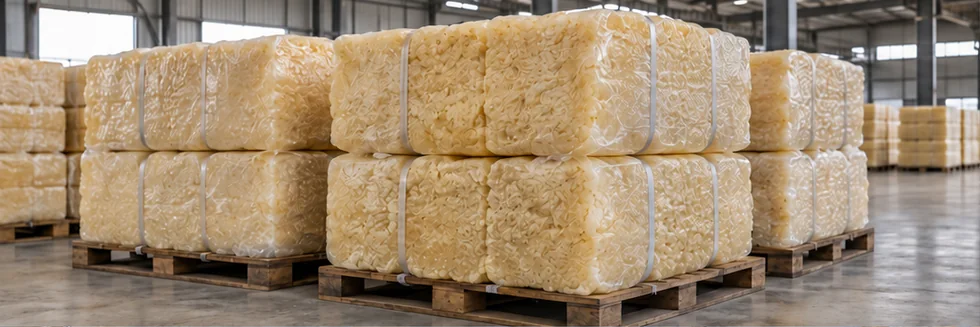
SVR3L usually trades per kilogram or metric ton of dry rubber. Compare certified grade, bale packaging, test results, and delivery terms. A TSR or RSS reference may move in the same direction but does not automatically price a light-colored 3L shipment.
Further reading: Vietnam Rubber Association: Certified Product Grades
Frequently Asked Questions About SVR3L natural rubber
What Drives Price Changes for SVR3L Natural Rubber?
Plantation weather, latex collection, tire and technical-rubber demand, and export freight influence prices. Suitable clean latex can become scarce independently of darker field-coagulum supply.
How Do Quality or Specification Differences Affect SVR3L Natural Rubber Pricing?
Color, dirt, ash, volatile matter, and plasticity characteristics determine grade acceptance. Poor drying or contamination can reduce the value of an otherwise attractive-looking bale.
Why Can Local SVR3L Natural Rubber Prices Differ From Global Benchmarks?
Inland collection, processing, port charges, container freight, duties, and buyer specifications influence delivered cost. Qualified light-color stock can carry a local premium over broad rubber indicators.