


Understanding Sunflower seeds Prices
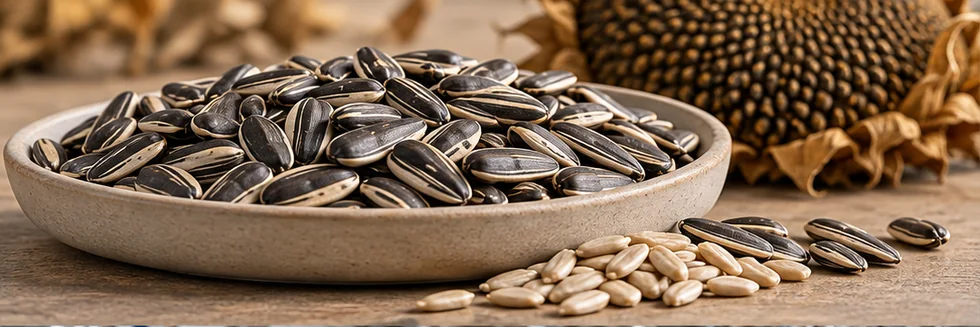
Market Overview & Supply Chain Dynamics
Sunflower Seeds belong to distinct oilseed type and confectionery size markets. Hull ratio influences useful kernel recovery, while fatty-acid profile separates conventional and high-oleic crushing programs. Moisture control protects the crop during storage. A snack-grade large seed cannot be valued solely by oil content, and a bulk crushing seed need not meet confectionery appearance requirements.
Key Applications & Industrial Demand
Crushers buy seeds for edible oil and meal, while snack manufacturers, bakers, and kernel processors require suitable size, appearance, and flavor. Bird-feed outlets form another market with its own acceptance criteria.
Key Factors Influencing Sunflower Seeds Price Movements
- End-Use Variety: Oilseed type, confectionery size, and fatty-acid profile determine the buyers able to use a lot and the relevant price premium.
- Recovery and Condition: Hull ratio, moisture control, damaged seeds, and cleaning yield influence usable output for oil or kernel processing.
- Oil and Snack Demand: Vegetable-oil margins, high-oleic contracts, snack orders, and regional processing access compete for sunflower harvests.
How to Interpret Sunflower Seeds Pricing Data
Compare prices per metric ton or kilogram for the declared seed type, size, oil specification, moisture, and cleaning level. Distinguish in-shell seeds from dehulled kernels. Food or high-oleic premiums should be retained when interpreting a broad oilseed indicator.
Further reading: USDA: Sunflower Seed Grades and Standards
Frequently Asked Questions About Sunflower seeds
What drives price changes for Sunflower Seeds?
Crop yields, edible-oil demand, snack-grade supply, high-oleic contracts, and competing oilseed values influence prices.
How do quality or specification differences affect Sunflower Seeds pricing?
Seed type, size, hull proportion, oil composition, moisture, and defects distinguish crushing, snack, and kernel-processing lots.
Why can local Sunflower Seeds prices differ from global benchmarks?
Processor location, dehulling and cleaning costs, specialty contracts, freight, and regional variety availability create local premiums.