


Understanding Steel wire rod Prices
Market Overview & Supply Chain Dynamics
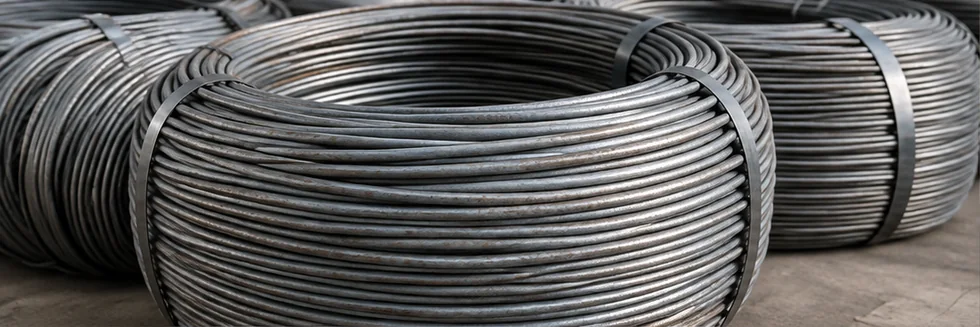
Steel Wire Rod is hot rolled into coil form for drawing, cold heading, or other wire conversion. Carbon range, diameter tolerance, surface scale, and drawability distinguish grades. A coil for ordinary binding wire has different quality demands from tire cord, springs, or high-strength wire. Rolling and cooling controls help establish the microstructure that a downstream wire plant can process.
Key Applications & Industrial Demand
Wire mesh, fasteners, welding consumables, springs, cables, and tire reinforcement use specific rod grades. Drawers seek consistent dimensions and freedom from defects that cause breaks. Chemical composition and surface quality become increasingly important as the final wire becomes thinner or more highly stressed.
Key Factors Influencing Steel Wire Rod Price Movements
- Steel and Rolling Costs: Billet feed, energy, rolling schedules, and cooling capability influence the supply of rod in the dimensions and chemistry required by drawers.
- Wire-Quality Performance: Carbon range, drawability, and diameter tolerance determine conversion yield, especially for cold-heading or high-strength applications with demanding defect limits.
- Surface Preparation: Surface scale, decarburization, seams, and handling damage affect pickling and drawing, creating premiums for rod that reduces breaks and rework.
How to Interpret Steel Wire Rod Pricing Data
Rod offers usually quote metric tons with diameter, grade, coil weight, and loading point. Compare ordinary commercial rod with like quality. Drawing, annealing, coating, and finished-wire specifications add conversion stages that should not be folded into the raw rod price.
Further reading: World Steel Association: Steel Products and Processes
Frequently Asked Questions About Steel wire rod
What Drives Price Changes for Steel Wire Rod?
Billet costs, mill utilization, construction wire, fastener orders, and export demand affect prices. Premium-quality rod can face different supply constraints from ordinary commercial coils.
How Do Quality or Specification Differences Affect Steel Wire Rod Pricing?
Carbon chemistry, surface defects, dimensions, scale, segregation, and mechanical consistency matter. Wire drawing magnifies defects, so low-priced rod may increase breaks and scrap.
Why Can Local Steel Wire Rod Prices Differ From Global Benchmarks?
Coil freight, port handling, import duty, local drawing capacity, and availability of approved chemistry affect prices. Smaller specialized lots can cost more than commodity export rod.