


Understanding Soybean meal 46% protein Prices
Market Overview & Supply Chain Dynamics
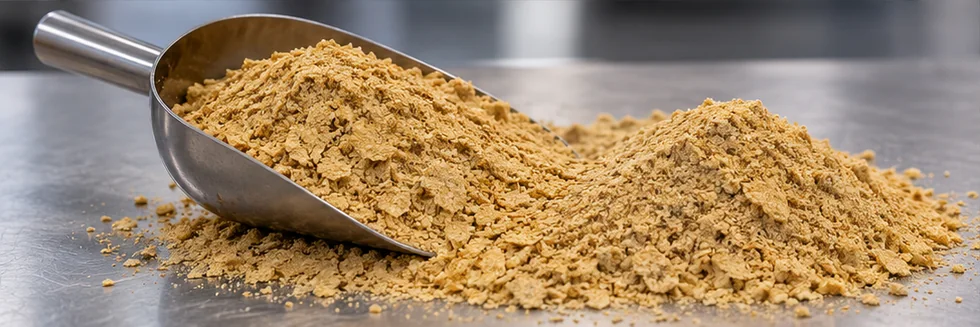
Soybean Meal 46% Protein is a crushing coproduct whose crude protein guarantee needs a stated moisture basis. Fiber and residual oil vary with hull handling and extraction. Heat treatment reduces antinutritional factors, but overprocessing can reduce lysine digestibility. A protein number alone therefore cannot establish equal nutritional value between different meals.
Key Applications & Industrial Demand
Poultry, pigs, livestock, and selected aquaculture feeds use soybean meal for amino-acid supply. Feed mills assess digestible nutrients, consistency, and storage quality, balancing meal against other proteins and supplemental amino acids.
Key Factors Influencing Soybean Meal 46% Protein Price Movements
- Nutrient Composition: Crude protein, fiber, residual oil, and moisture determine the nutrient quantity represented by each purchased ton.
- Processing Quality: Heat treatment and lysine digestibility influence feed value beyond the protein guarantee and distinguish underprocessed or damaged meal.
- Crush and Feed Balance: Soybean costs, oil demand, crushing runs, animal-feed orders, and inland freight affect available meal and local basis.
How to Interpret Soybean Meal 46% Protein Pricing Data
Compare currency per metric ton with protein basis, moisture, fiber, fat, processing, and origin specified. Evaluate digestible amino-acid cost in the target ration. Higher crude protein does not automatically compensate for heat damage, contamination, or poor handling.
Further reading: Feedipedia: Soybean Meal
Frequently Asked Questions About Soybean meal 46% protein
What drives price changes for Soybean Meal 46% Protein?
Soybean inputs, crushing activity, oil returns, livestock feeding, competing proteins, and freight influence meal prices.
How do quality or specification differences affect Soybean Meal 46% Protein pricing?
Protein basis, digestibility, fiber, moisture, fat, heat treatment, and contaminants determine usable feed value.
Why can local Soybean Meal 46% Protein prices differ from global benchmarks?
Crushing location, inland transport, grade differences, storage, import costs, and nearby feed demand create local meal premiums.