


Understanding Sludge treatment Prices
Market Overview & Supply Chain Dynamics
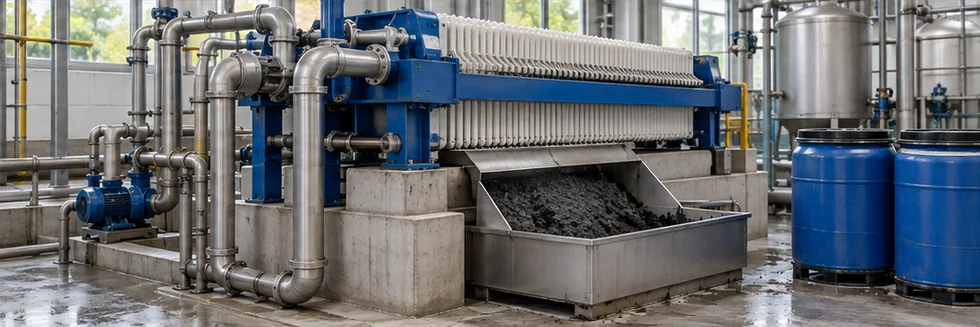
Sludge Treatment pricing depends on dry solids, dewatering, stabilization, and contaminant profile. A wet mass can consist largely of water, making its transport and treatment economics different from dewatered cake. Vietnamese kilogram offers for a named maritime sludge service should remain attached to that stream. Municipal biosolids, oily ship residues, and industrial chemical sludges require different acceptance assessments and cannot share an assumed universal treatment method.
Key Applications & Industrial Demand
Wastewater plants, manufacturers, maintenance operations, and maritime businesses generate sludges requiring specifically authorized management. Some suitable streams can undergo recovery or beneficial use after appropriate treatment; others require destruction or controlled disposal. Sludge origin and composition determine the available choices rather than the word sludge alone.
Key Factors Influencing Sludge Treatment Price Movements
- Water and Solids Balance: Dry solids, wet mass, pumpability, and dewatering performance influence the kilograms shipped, equipment required, and energy needed for further processing.
- Contamination and Treatment Route: Contaminant profile, biological characteristics, oils, metals, and stabilization requirements determine whether recovery, thermal treatment, or controlled disposal is appropriate.
- Handling and Final Destination: Tank pumping, containers, testing, transport, receiving-facility capacity, and final disposal documentation add costs beyond one mass-based treatment quotation.
How to Interpret Sludge Treatment Pricing Data
Compare price per kilogram or ton using the stated wet or dry basis. Obtain the relevant stream specification and identify whether sampling, dewatering, collection, transport, and disposal are included. A low wet-ton price and a higher dry-solids price can describe very different quantities of actual solids. A ship-sludge offer is not a benchmark for every wastewater-treatment residue.
Further reading: US EPA: Biosolids Processing and Dewatering Technologies US EPA: Hazardous Treatment and Disposal Routes
Frequently Asked Questions About Sludge treatment
What Drives Price Changes for Sludge Treatment?
Solids content, contamination, dewatering, transport, treatment capacity, and final disposal requirements drive charges. Adding water can increase hauled mass without increasing the quantity of solids requiring treatment.
How Do Quality or Specification Differences Affect Sludge Treatment Pricing?
Compare origin, dry-solids content, contaminant profile, consistency, and required treatment outcome. Municipal biosolids, oily residues, and industrial hazardous sludges are not equivalent service streams.
Why Can Local Sludge Treatment Prices Differ From Global Benchmarks?
Receiving-facility permits, hauling distance, water content, energy, and disposal options vary. Local treatment availability can create larger differences than the nominal quoted price per kilogram.