


Understanding Shore power fee Prices
Market Overview & Supply Chain Dynamics
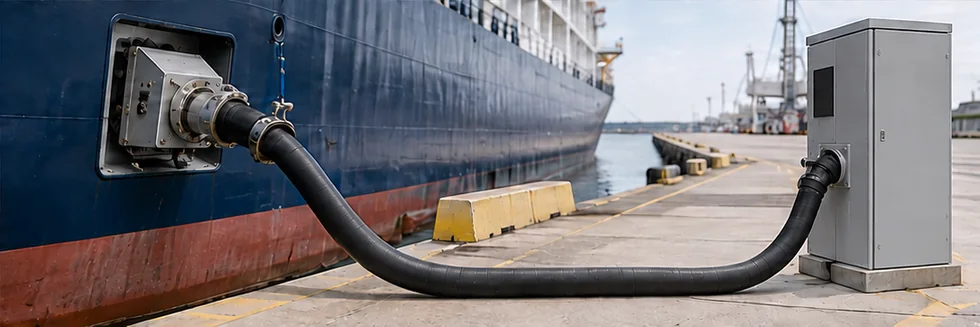
A shore power fee prices electricity and defined connection services while a vessel is berthed. Kilowatt-hour consumption, connection fee, voltage, frequency, and peak demand identify different charging and engineering elements. The vessel must have compatible equipment, and some installations require conversion or specialized cable handling. A flat connection charge should not be interpreted as an unlimited supply of electrical energy throughout the port stay.
Key Applications & Industrial Demand
Ship operators use shore power to meet onboard electrical loads when the service and vessel arrangements permit it. Demand follows berth occupancy, hotel loads, cargo systems, and applicable port requirements. Cruise ships, ferries, inland craft, and cargo vessels may require very different power levels and connection infrastructure.
Key Factors Influencing Shore Power Fee Price Movements
- Energy Consumption: Kilowatt-hour use, berth duration, onboard load, and peak demand determine how much electricity and supply capacity the vessel requires.
- Electrical Connection: Voltage, frequency, cable systems, conversion, and connection fee rules influence the equipment and attendance needed for a compatible hookup.
- Local Supply Contract: Port electricity procurement, network charges, taxes, billing minimums, and included connection labor determine the final shore-power invoice.
How to Interpret Shore Power Fee Pricing Data
Separate metered energy from connection, disconnection, capacity, and attendance charges. Identify tariff currency, metering boundaries, tax, and the allowed supply conditions. A berth fee may not include electricity. Compare total planned energy and connection events for the same vessel load rather than only a printed price per kilowatt-hour.
Further reading: Port of Rotterdam: Shore Power
Frequently Asked Questions About Shore power fee
What Drives Price Changes for Shore Power Fee?
Electricity procurement, grid charges, vessel consumption, connection events, and port tariff changes drive shore-power bills.
How Do Quality or Specification Differences Affect Shore Power Fee Pricing?
Available power, voltage and frequency compatibility, connection systems, reliability, and metering define the supplied electrical service.
Why Can Local Shore Power Fee Prices Differ From Global Benchmarks?
Local grids, energy contracts, conversion equipment, berth infrastructure, taxes, and connection labor create port-specific shore-power costs.