


Understanding Salmon fillet Prices
Market Overview & Supply Chain Dynamics
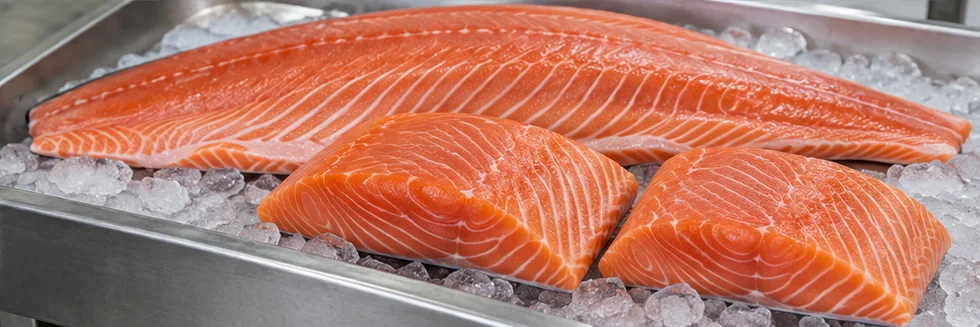
Salmon Fillet must retain species and origin because farmed Atlantic salmon and different Pacific species serve distinct markets. Trim grade, pinbone removal, and flesh color determine preparation and presentation, while gaping can impair portions. Chilled sides, frozen fillets, and cut portions include different labor, yield, and shelf-life obligations.
Key Applications & Industrial Demand
Retail fish counters, restaurants, sushi-related supply programs where qualified, and prepared-food processors buy different salmon forms. Skin status, portion size, and documentation must suit the specific application rather than follow a generic salmon label.
Key Factors Influencing Salmon Fillet Price Movements
- Harvested Fish Mix: Species, origin, harvest weight, and biological supply conditions influence the fillets available for each market.
- Fabrication Quality: Trim grade, pinbone removal, flesh color, gaping, and skin condition affect portion yield and customer acceptance.
- Preservation and Destination: Chilling, freezing, air or sea freight, foodservice orders, and retail programs create different delivered salmon costs.
How to Interpret Salmon Fillet Pricing Data
Compare currency per kilogram for identical species, trim, pinbone status, skin, and chilled or frozen condition. Whole-fish prices require fillet recovery and labor adjustments. Fresh portion prices also reflect trimming, packing, and a shorter delivery window.
Further reading: EUMOFA: Salmon Species and Markets
Frequently Asked Questions About Salmon fillet
What drives price changes for Salmon Fillet?
Salmon harvests, fish size, biological conditions, filleting recovery, freight, and retail or restaurant demand influence prices.
How do quality or specification differences affect Salmon Fillet pricing?
Species, origin, trim, color, skin, bones, defects, portion size, and preservation state distinguish fillet products.
Why can local Salmon Fillet prices differ from global benchmarks?
Filleting, portioning, chilled transport, certification, import costs, and local demand add premiums beyond whole-fish benchmarks.