


Understanding Safety shoes Prices
Market Overview & Supply Chain Dynamics
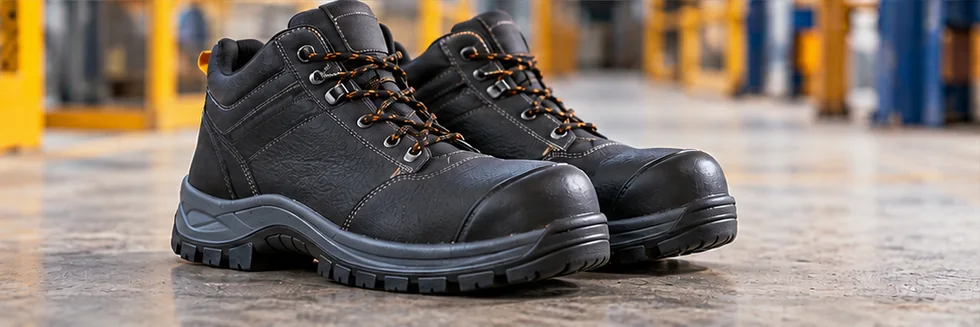
Safety Shoes are engineered footwear whose toe protection, slip resistance, penetration resistance where required, upper construction, and standard marking define the accepted product. Protective caps, outsoles, midsoles, uppers, and assembly create different hazard profiles. A heavy boot or metal-looking toe is not proof of qualification. The edition and classification of the stated standard must match the customer's procurement requirements.
Key Applications & Industrial Demand
Construction, factories, warehousing, maintenance, logistics, and other workplaces select shoes for the actual hazards and fit. Electrical, thermal, water, and chemical exposures can need specific additional features. No single shoe classification automatically addresses every workplace condition.
Key Factors Influencing Safety Shoes Price Movements
- Protective Components: Toe protection, penetration resistance elements, outsole compounds, upper construction, and fastening design influence material and manufacturing costs.
- Tested Performance: Slip resistance, mechanical tests, standard marking, declared classification, traceability, and consistent production determine whether footwear meets the required specification.
- Wear and Procurement: Fit range, comfort, durability, water or thermal requirements, order scale, and replacement programs affect purchasing value beyond the lowest price per pair.
How to Interpret Safety Shoes Pricing Data
Safety shoes quote per pair with model, size mix, classification, standard edition, and features stated. Compare equivalent tested protection and intended environment. Ordinary work shoes, fashion boots, and approved safety footwear are different purchases even when their external appearance is similar.
Further reading: ISO20345 Safety Footwear Standard
Frequently Asked Questions About Safety shoes
What Drives Price Changes for Safety Shoes?
Protective components, leather or synthetic uppers, outsole materials, labor, testing, and workplace procurement influence prices. Qualified specialist models can cost more than basic safety footwear.
How Do Quality or Specification Differences Affect Safety Shoes Pricing?
Certification, protection class, cap, sole, penetration features, fit, construction, and durability matter. Optional markings must be read under the specified standard rather than assumed from a generic safety label.
Why Can Local Safety Shoes Prices Differ From Global Benchmarks?
Local certification, distributor stocks, freight, duties, sizes, fitting service, and procurement programs affect prices. Qualified reliable supply can reduce returns and unsuitable footwear purchases.