
Price CloudO3GLOBAL COMMODITY MARKETS
English (US) Language
rPP pellets icon
PLASTICS AND POLYMERS · SOURCES REPORT DIFFERENT PRICE TYPES

rPP Pellets Latest Prices

rPP Pellets prices explained through homopolymer mix, melt flow, ash content, impact retention, odor control, and recycled-compound economics.

Download history CSV ↓
Price series · 1

Price series — rPP pellets

Sources report different price types Sources may update at different intervals

Exact item match: 0Related benchmark: 1Within recorded date window: 1Outside date range: 0No latest observation: 0Live reference: 0
Clear filters
Showing 1–1 of 1 Price seriesPage 1 / 1
Price series rPP pellets
Provider / SourceCountry / market / CurrencyLatest priceObserved date / published periodFrequencyMappingStatusSource
MadeInChina.PublicSupplierrPP pelletglpolygel.en.made-in-china.com:2036145885MadeInChina.PublicSupplier CN · Shanghang Xinchanglong Industrial Co., Ltd; public supplier offerUSD / kg 0.70 – 0.80USD / kg 10/24/2026First recorded (UTC)Last recorded by crawler: Supplier advertised quantity tierCurrent price · Reference snapshot
Series detailsAdvertised product title: PP Plastic Granules Recycled Polypropylene Resin Compounds PP GranulesNative sku: 2036145885Quantity from: 1000Quantity to: not_statedQuantity upper bound: stated_range_or_minimumSource quantity and unit: 1,000 kg(MOQ)Supplier: Shanghang Xinchanglong Industrial Co., LtdSupplier property:Appearance: Multiple Color Granule PelletSupplier property:Application: Injection GradeSupplier property:CAS No.: PPSupplier property:Characteristic: Low Temperature ToughnessSupplier property:Color: White Black Red GreenSupplier property:Delivery Time: Within 10-15 Days After Receiving The DepositSupplier property:Density: Can Be CustomizedSupplier property:EINECS: AASupplier property:Eco Friendly: YesSupplier property:Elongation at Break: Can Be CustomizedSupplier property:Formula: Reprocess PPSupplier property:HS Code: 3902100090Supplier property:Impact Strength: Can Be CustomizedSupplier property:Material: Polypropylene/PPSupplier property:Melt Flow Index: Can Be CustomizedSupplier property:Model: PPSupplier property:Model NO.: PPSupplier property:Origin: FujianSupplier property:Package: 25kg/BagsSupplier property:Plastic Forming Method: InjectionSupplier property:Plastic Properties After Heated: Thermoplastic PlasticsSupplier property:Samples: Under 5kg Is FreeSupplier property:Shipping: by SeaSupplier property:Specification: 25kg per bagSupplier property:Storage: Comment DegreeSupplier property:Tensile Strength: Can Be CustomizedSupplier property:Trademark: LVJIXINGSupplier property:Transport Package: Woven BagSupplier property:Usage: General PlasticsPublication effective date not disclosedNo historical daily prices generatedSupplier advertised not completed transactionConditional quantity tier or price rangeSupplier claims not independently certifiedCatalog mapping benchmark specific supplier spec retainedFreight tax delivery terms not inferred
Related benchmark Within recorded date window Source ↗History

Price history

Each source has its own currency and unit · Sources may update at different intervals
No data in this range. View full history →

Historical price table

Actual publication periods; missing periods are not interpolated
0 records
Price history rPP pellets — Each source has its own currency and unit
PeriodPrice (Each source has its own currency and unit)Source
No records in this range.

Definition: Recycled polypropylene reprocessed into pellets for molded or extruded products.

Key Specifications and Terms:

Understanding rPP pellets Prices
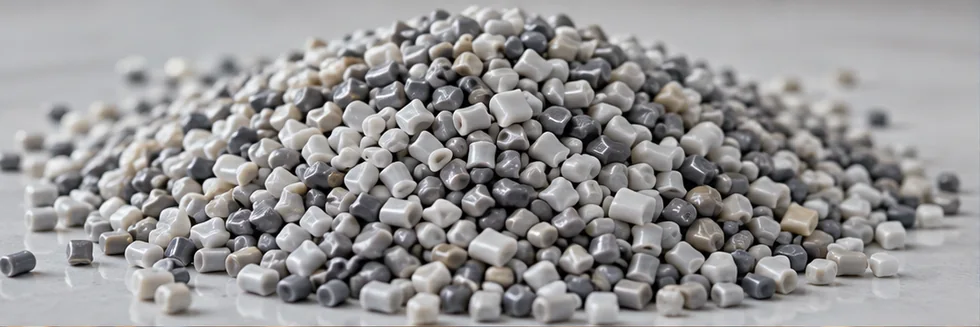
Gray recycled polypropylene pellets
Illustrative image for the rPP Pellets market guide.

Market Overview & Supply Chain Dynamics

rPP Pellets are produced from recovered polypropylene through sorting, cleaning, remelting, and compounding. Homopolymer mix, melt-flow range, ash content, impact retention, and odor control define commercial grades. Mineral-filled automotive scrap and unfilled packaging scrap have different values. Consistent recycled PP therefore depends on controlled blending and testing, especially where processors require stable dimensions or toughness.

Key Applications & Industrial Demand

Housewares, pallets, crates, automotive compounds, furniture, and industrial molded products use selected rPP grades. Converters may blend recycled material with virgin resin or additives to achieve the desired specification. Appearance, odor, and performance requirements determine how much recycled content is practical.

Key Factors Influencing rPP Pellets Price Movements

  • Scrap Composition: Homopolymer mix and filled-compound content alter stiffness and toughness, so collection quality directly affects the value of recovered PP.
  • Flow and Residue: Melt-flow range and ash content influence processing and actual polymer content, making nominal pellet weight an incomplete measure of value.
  • Usable Performance: Impact retention and odor control can determine customer acceptance, while stabilization and compounding add costs to low-priced scrap feedstock.

How to Interpret rPP Pellets Pricing Data

Compare rPP by kilograms or metric tons with flow, ash, color, odor, and mechanical limits specified. A heavily filled pellet contains less polypropylene by weight. Evaluate the cost of achieving an accepted molded part rather than pellet price alone.

Further reading: Association of Plastic Recyclers

Frequently Asked Questions About rPP pellets

What Drives Price Changes for rPP Pellets?

Scrap availability, sorting, virgin PP prices, and demand for recycled compounds drive values. Homogeneous packaging or industrial streams can price differently from mixed post-consumer material.

How Do Quality or Specification Differences Affect rPP Pellets Pricing?

Flow, ash, impact properties, contamination, odor, and color distinguish grades. A cheap recycled pellet may require more virgin resin or additives to meet a customer's specification.

Why Can Local rPP Pellets Prices Differ From Global Benchmarks?

Local collection, washing, compounding, freight, and demand for certified recycled content affect prices. Nearby consistent supply can reduce rejects and testing compared with irregular imports.