


Understanding Rice seeds Prices
Market Overview & Supply Chain Dynamics
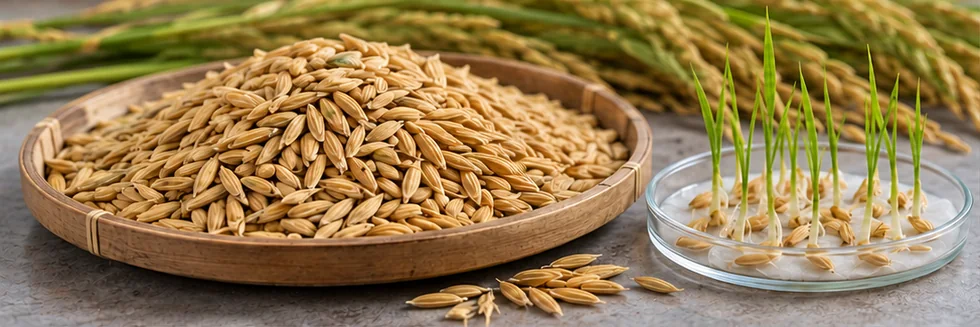
Rice Seeds are planting material rather than milled rice for eating. Germination, varietal purity, physical purity, and seed moisture determine the lot delivered to a grower. Dormancy can complicate interpretation of a recently harvested seed test. Production fields, cleaning, drying, testing, and protected storage must preserve both varietal identity and the ability to establish a crop.
Key Applications & Industrial Demand
Nurseries and direct-seeded or transplanted rice systems use seed matched to local growing seasons and desired grain traits. Certified, hybrid, and other declared seed classes can have different multiplication and quality-assurance costs.
Key Factors Influencing Rice Seeds Price Movements
- Identity and Cleanliness: Varietal purity, physical purity, multiplication controls, and off-type removal determine whether the lot represents the intended crop.
- Establishment Potential: Germination, dormancy, seed moisture, age, and storage condition affect viable seed available at planting.
- Seed-Season Supply: Multiplication yields, testing, certification where claimed, treatment, packaging, and planting-window demand influence seed prices.
How to Interpret Rice Seeds Pricing Data
Compare currency per kilogram or bag using variety, seed class, germination test, purity, treatment, and lot date. Evaluate usable viable seed rather than gross bag mass alone. Commodity paddy prices do not include seed production, testing, or identity assurance.
Further reading: IRRI: Seed Quality Management
Frequently Asked Questions About Rice seeds
What drives price changes for Rice Seeds?
Seed multiplication, variety demand, quality-test recovery, certification, treatment, and seasonal planting orders influence prices.
How do quality or specification differences affect Rice Seeds pricing?
Variety, class, germination, purity, moisture, treatment, test age, and traceability distinguish planting-seed lots.
Why can local Rice Seeds prices differ from global benchmarks?
Local variety adaptation, multiplication, testing, certification, treatment, delivery timing, and small-pack distribution add costs beyond commodity rice.