


Understanding Residential waste collection Prices
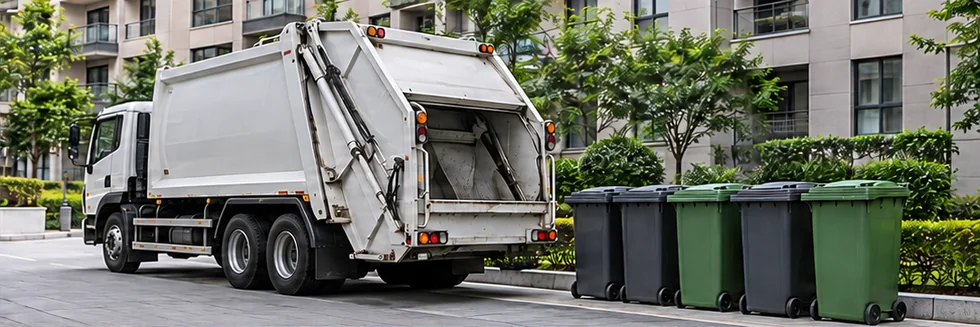
Market Overview & Supply Chain Dynamics
Residential Waste Collection combines collection frequency, housing type, bin system, and the handling of recyclables into a recurring service. Singapore dollar household schedules use a monthly charge for a defined housing category. Communal apartment systems and individual landed-home bins involve different collection work. Vehicle routes, crew time, access, and onward treatment create the operating costs behind the tariff, rather than a commodity value for discarded household material.
Key Applications & Industrial Demand
Households and property managers rely on regular refuse removal and designated recyclable collection. Dense apartment routes and dispersed houses create different service economics. Bulky furniture, renovation debris, hazardous household material, and extraordinary cleanup can fall outside ordinary recurring collection arrangements.
Key Factors Influencing Residential Waste Collection Price Movements
- Housing and Access Arrangement: Housing type, bin system, chute or bin-center access, walking distance, and vehicle accessibility determine the time needed to service each residential route.
- Scheduled Service Scope: Collection frequency, recyclables arrangements, bin maintenance, accepted waste streams, and holiday coverage define the service purchased by the monthly charge.
- Route and Disposal Costs: Crew wages, fuel, vehicle maintenance, route density, treatment fees, and contracted service requirements influence the cost of maintaining regular household collection.
How to Interpret Residential Waste Collection Pricing Data
Compare dollars per household-month within the stated housing and collection category. A monthly tariff is not a disposal price per kilogram and should not be divided by assumed household waste without evidence. Separate bulky-item removal, private estate arrangements, and unusual waste services. Taxes, rebates, or property-management billing can also change the amount actually paid.
Further reading: Singapore NEA: Household Waste Collection Systems and Fees
Frequently Asked Questions About Residential waste collection
What Drives Price Changes for Residential Waste Collection?
Collection contracts, wages, vehicle costs, fuel, treatment expenses, and service-scope revisions influence household charges. Different housing categories can have separate tariffs within the same city.
How Do Quality or Specification Differences Affect Residential Waste Collection Pricing?
Compare housing type, collection frequency, bin arrangement, accepted refuse, and recyclable service. Ordinary collection and an ad hoc bulky-waste truck visit represent different services.
Why Can Local Residential Waste Collection Prices Differ From Global Benchmarks?
Route density, housing layout, disposal systems, labor costs, and municipal funding vary. A public household tariff may also recover a different share of costs than a private contract.