


Understanding Residential air conditioner Prices
Market Overview & Supply Chain Dynamics
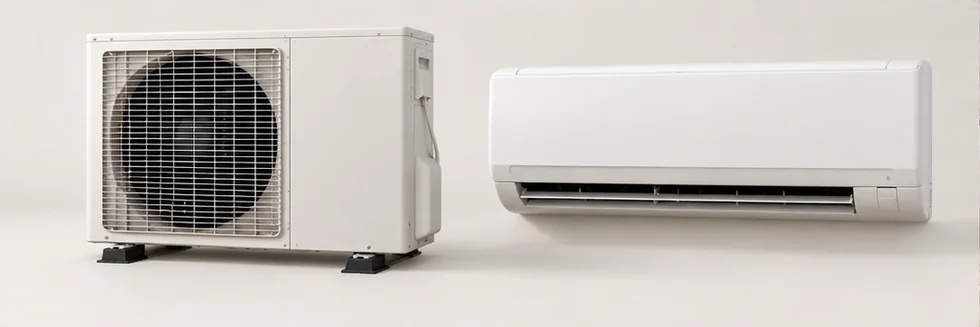
A residential air conditioner transfers heat through a refrigerant circuit connecting evaporator, compressor, and condenser. Cooling capacity, seasonal efficiency, refrigerant type, and an inverter compressor distinguish systems aimed at different rooms and climates. Split systems also require a correctly sized line set and drainage. Factory equipment cost is only one part of the installed price because piping, electrical work, mounting, evacuation, and commissioning vary by property.
Key Applications & Industrial Demand
Homeowners, landlords, and small residential developments buy cooling to manage indoor temperature and humidity. Demand increases around hot seasons and new housing completion. Room size, insulation, solar exposure, occupancy, and local weather determine the appropriate capacity more reliably than a simple floor-area rule.
Key Factors Influencing Residential Air Conditioner Price Movements
- Cooling and Efficiency Design: Cooling capacity, seasonal efficiency, inverter compressor control, and heat-exchanger size influence equipment cost and operating electricity requirements.
- Refrigerant Installation: Refrigerant choice, line set length, pipe sizing, evacuation, condensate drainage, and mounting conditions determine installation labor and materials.
- Seasonal Installer Capacity: Heat waves, housing completions, retailer inventories, and availability of qualified installers affect local delivery and installed-system quotations.
How to Interpret Residential Air Conditioner Pricing Data
Prices may cover a complete indoor-and-outdoor set, an indoor unit alone, or an installed package. Compare cooling output and the applicable efficiency metric under the same test system. Installation distance, pipe length, mounting access, electrical upgrades, and warranty conditions can change the final project cost substantially.
Further reading: U.S. Department of Energy: Central Air Conditioners and Heat Pumps
Frequently Asked Questions About Residential air conditioner
What drives price changes for Residential Air Conditioner?
Cooling demand, compressor supply, efficiency requirements, installer availability, and seasonal retail inventory influence equipment and installation prices.
How do quality or specification differences affect Residential Air Conditioner pricing?
Capacity, seasonal efficiency, noise, humidity control, compressor technology, and operating-temperature capability distinguish residential cooling systems.
Why can local Residential Air Conditioner prices differ from global benchmarks?
Piping, electrical work, mounting access, local refrigerant requirements, transport, and installer wages differ from equipment-only export prices.