


Understanding Raisins Prices
Market Overview & Supply Chain Dynamics
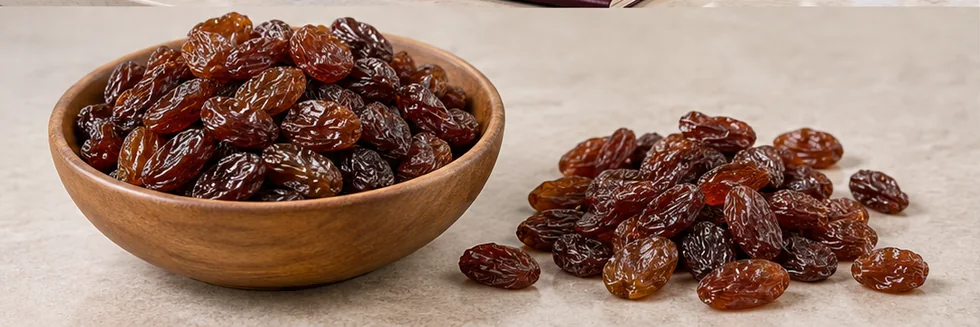
Raisins result from grape drying followed by cleaning, stem removal, sorting, and packing. Drying ratio links vineyard output to edible dried-fruit supply. Moisture, capstems, and size grade influence ingredient performance, while sulfite treatment distinguishes some golden-style products from naturally dark raisins. Variety and processing method remain important even when all products share the raisin name.
Key Applications & Industrial Demand
Bakery goods, cereals, snack mixes, confectionery, and direct retail consumption use raisins with different texture and size needs. Industrial buyers require predictable moisture and freedom from stems or foreign material to avoid production problems.
Key Factors Influencing Raisins Price Movements
- Grape-to-Raisin Yield: Drying ratio, variety, harvest weather, and field drying conditions determine output from the fresh crop.
- Ingredient Preparation: Moisture, capstems, size grade, and defects affect texture, cleaning yield, and suitability for food manufacturing.
- Color and Processing: Sulfite treatment, drying method, storage, conditioning, and bakery or snack demand determine premiums among raisin styles.
How to Interpret Raisins Pricing Data
Compare currency per kilogram or pound for the same variety, color, moisture, size, and treatment. Fresh-grape prices require a drying-recovery calculation. Retail snack packs and prepared bakery ingredients include cleaning, conditioning, and packing costs beyond unprocessed dried fruit.
Further reading: USDA: Raisin Grades and Standards
Frequently Asked Questions About Raisins
What drives price changes for Raisins?
Grape harvests, drying weather, recovery, processing costs, and bakery, cereal, or snack orders influence raisin prices.
How do quality or specification differences affect Raisins pricing?
Variety, size, color, moisture, stems, defects, and sulfur treatment distinguish commercial raisin products.
Why can local Raisins prices differ from global benchmarks?
Cleaning, conditioning, treatment, small-pack preparation, freight, import requirements, and local food-manufacturing specifications add regional costs.