


Understanding Rail freight wagon Prices
Market Overview & Supply Chain Dynamics
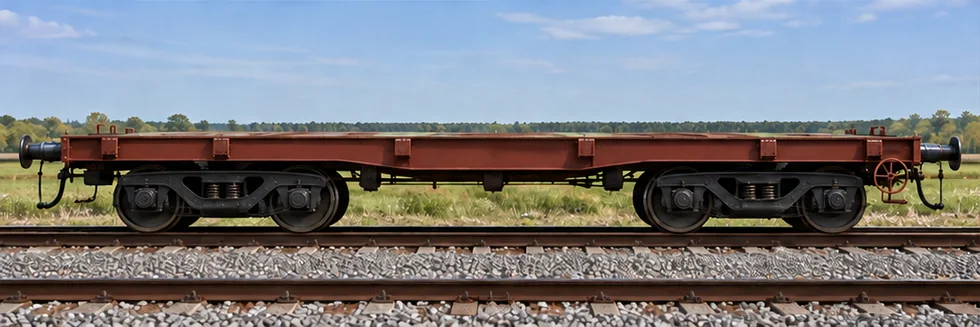
A rail freight wagon is built around a track gauge, axle load, coupler, braking system, and loading gauge suited to its network. Flat, hopper, tank, covered, and specialized wagons serve different cargoes. A container flat wagon additionally needs suitable securing arrangements. Bogies, wheelsets, structural steel, brake equipment, coatings, and acceptance testing determine manufacturing cost and approved carrying duty.
Key Applications & Industrial Demand
Rail operators, leasing companies, mines, agricultural shippers, ports, and industrial logistics fleets acquire wagons for route-specific cargo flows. Demand depends on railway access, commodity volumes, turnaround time, and available locomotives. Capacity has value only when the wagon can be accepted and maintained on the intended network.
Key Factors Influencing Rail Freight Wagon Price Movements
- Network Compatibility: Track gauge, axle load, coupler, braking system, and loading gauge determine whether the wagon can operate on the required railway.
- Cargo Configuration: Body shape, discharge equipment, container locks, lining, weather protection, and payload influence fabrication and handling capability.
- Approval and Lifecycle: Wheelset specification, inspection, acceptance testing, maintenance provisions, fleet scale, and delivery schedule affect the complete wagon investment.
How to Interpret Rail Freight Wagon Pricing Data
Prices apply per wagon at a specific approved configuration and delivery point. Identify bogies, wheelsets, brakes, couplings, cargo equipment, documentation, and commissioning. Freight, network acceptance, spares, and modifications can be separate. Comparing wagons by payload alone ignores major differences in route compatibility and cargo handling.
Further reading: CRRC: Freight Wagon Products
Frequently Asked Questions About Rail freight wagon
What Drives Price Changes for Rail Freight Wagon?
Steel, bogies, wheelsets, braking equipment, rail investment, and cargo-specific fleet demand influence wagon manufacturing prices.
How Do Quality or Specification Differences Affect Rail Freight Wagon Pricing?
Network approval, structural life, cargo access, running gear, braking, and maintainability distinguish freight wagons of similar capacity.
Why Can Local Rail Freight Wagon Prices Differ From Global Benchmarks?
Gauge requirements, network acceptance, transport, local modifications, taxes, and maintenance support add regional costs to a wagon offer.