


Understanding PVC paste resin Prices
Market Overview & Supply Chain Dynamics
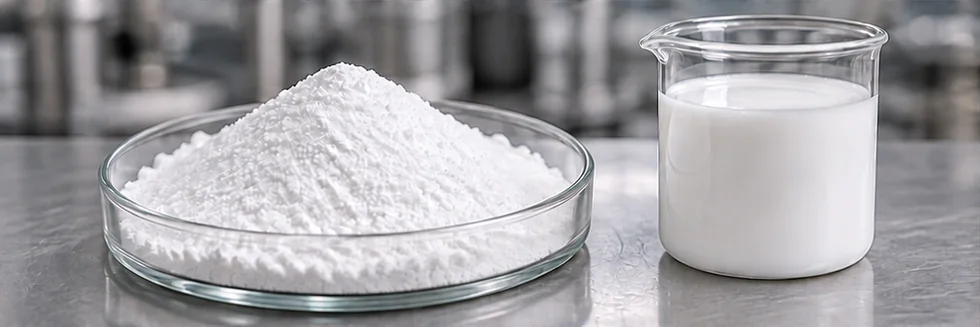
PVC Paste Resin consists of fine particles designed to form a plastisol with plasticizer. Emulsion polymerization and related processes establish particle morphology, which influences paste viscosity and gelation during heating. A grade suited to dipping may behave differently in flooring or coated fabrics. Unlike general suspension PVC, paste resin is chosen for how its liquid dispersion flows, stores, coats, and fuses.
Key Applications & Industrial Demand
Gloves, artificial leather, flooring, wall coverings, seals, and technical coated fabrics use appropriate paste grades. Manufacturers balance coating thickness, foam structure, surface quality, and processing speed. Plasticizer compatibility and residual emulsifier behavior can affect finished appearance and performance.
Key Factors Influencing PVC Paste Resin Price Movements
- Particle Engineering: Emulsion polymerization and particle morphology determine plasticizer uptake and dispersion behavior, limiting interchangeability between apparently similar fine PVC powders.
- Paste Processing Window: Paste viscosity, storage stability, and gelation behavior affect coating weight, line speed, and rejection rates in dipping and coated-fabric operations.
- Downstream Product Mix: Glove, flooring, artificial-leather, and wall-covering orders require different rheology, so demand changes can alter premiums among paste-resin grades.
How to Interpret PVC Paste Resin Pricing Data
Prices are generally per metric ton of dry resin. Compare paste-viscosity behavior, fusion requirements, intended coating or dipping process, and packaging. Suspension PVC is a different product; an apparent discount can disappear if a substitute cannot produce a stable plastisol.
Further reading: INEOS Inovyn PVC Paste Processing
Frequently Asked Questions About PVC paste resin
What drives price changes for PVC Paste Resin?
VCM costs, specialty-resin operating rates, glove and flooring demand, and export inventory influence prices. Grade-specific shortages may persist despite ample suspension PVC.
How do quality or specification differences affect PVC Paste Resin pricing?
Paste viscosity, particle distribution, fusion behavior, emulsifier residues, and plasticizer compatibility distinguish grades. A resin that raises coating defects can be costly despite a low purchase price.
Why can local PVC Paste Resin prices differ from global benchmarks?
Import duty, freight, specialty inventory, bagging, and customer qualification affect local prices. Regional demand for a particular dipping or coating grade can limit substitution.