


Understanding Propylene Prices
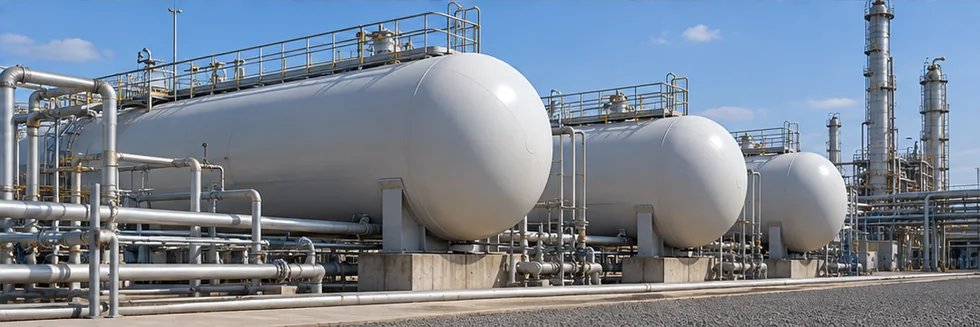
Market Overview & Supply Chain Dynamics
Propylene reaches the market through steam crackers, refinery recovery, and propane dehydrogenation. These routes respond to different feedstock margins, so supply cannot be explained by crude oil alone. Polymer grade is purified for polypropylene manufacture, while chemical grade serves processes able to accept its impurity profile. The balance between integrated consumption and merchant sales determines how much material is available through pipelines or pressurized and refrigerated shipments.
Key Applications & Industrial Demand
Polypropylene makers consume propylene for packaging, automotive parts, appliances, and fibers. Other buyers produce propylene oxide, acrylonitrile, cumene, and acrylic intermediates. Strong demand in one derivative chain can support purchases even when another large consumer is reducing plant runs.
Key Factors Influencing Propylene Price Movements
- PDH Margins: Propane dehydrogenation output responds to propane costs, fuel requirements, plant reliability, and the spread between propane and saleable propylene.
- Refinery and Cracker Runs: Refinery recovery and cracker operating rates can move differently, altering the availability of chemical grade and polymer grade merchant material.
- Polypropylene Purchasing: Polypropylene utilization strongly affects propylene offtake, while chemical-derivative demand and purification capacity can change premiums between commercial grades.
How to Interpret Propylene Pricing Data
Distinguish polymer-grade, chemical-grade, and refinery-grade quotations before comparing per-metric-ton values. Pipeline supply, pressurized parcels, and refrigerated cargoes have different handling economics. The delivered cost also depends on the customer's purification needs and the contractual settlement period.
Further reading: ICIS Petrochemical Market Methodology
Frequently Asked Questions About Propylene
What drives price changes for Propylene?
PDH operating margins, refinery runs, cracker outages, and polypropylene production shape propylene prices. Changes in purity-specific availability can widen spreads between commercial grades.
How do quality or specification differences affect Propylene pricing?
Polymer grade has tighter propylene and impurity specifications than chemical or refinery grades. A lower-priced grade may require purification before a polymer plant can use it.
Why can local Propylene prices differ from global benchmarks?
Pipeline connectivity, pressurized storage, refrigerated shipping, and regional derivative capacity determine delivered economics. Limited terminal access can prevent a cheaper offshore cargo from reaching a buyer.