


Understanding PPS Prices
Market Overview & Supply Chain Dynamics
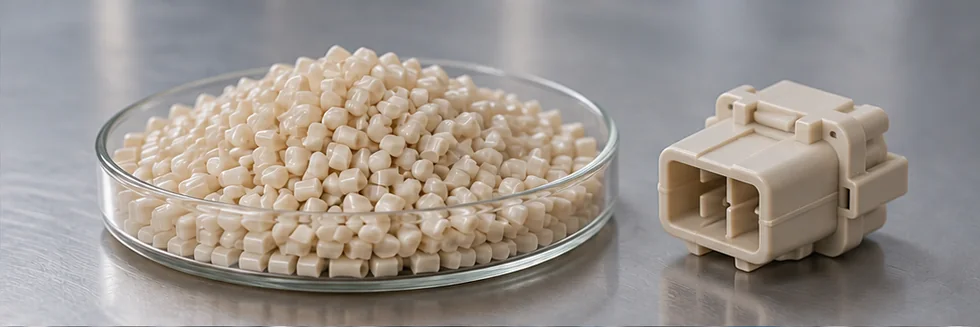
PPS is a semicrystalline polymer used when high-temperature service, chemical resistance, and dimensional stability are needed together. Commercial supply includes unfilled resin and compounds with glass reinforcement or mineral fillers. Crystallization and processing history affect performance, making the molding conditions part of successful application. PPS belongs to a specialist engineering market rather than commodity packaging-resin trade.
Key Applications & Industrial Demand
Automotive thermal systems, electrical components, pumps, valves, chemical equipment, and industrial parts use PPS. Designers often select it where ordinary polymers lose stiffness or chemical durability. Reinforcement and electrical requirements determine which compound can replace an existing material.
Key Factors Influencing PPS Price Movements
- Specialty Polymer Capacity: PPS production and qualified compounding capacity are relatively specialized, so outages or allocation can affect particular grades more than broad polymer trends.
- Thermal-Chemical Qualification: High-temperature service and chemical resistance requirements can require extensive customer validation, limiting rapid substitution when a qualified grade becomes scarce.
- Compound Architecture: Semicrystalline behavior, glass reinforcement, and dimensional stability determine molding performance, while filler and additive choices create distinct commercial specifications.
How to Interpret PPS Pricing Data
PPS commonly trades per kilogram, with exact compound identity important to value. Compare filler content, viscosity, electrical properties, and thermal approvals. A glass-filled component grade and an unfilled coating or extrusion resin have different processing economics and should be priced separately.
Further reading: Syensqo PPS Properties
Frequently Asked Questions About PPS
What drives price changes for PPS?
Specialty-resin availability, feedstocks, compounding capacity, and automotive or electrical orders influence prices. Qualified grades may remain constrained despite weaker demand for commodity plastics.
How do quality or specification differences affect PPS pricing?
Viscosity, glass and mineral loading, electrical behavior, color, and approvals determine value. Crystallization and thermal stability also affect the reliability of finished components.
Why can local PPS prices differ from global benchmarks?
Specialist distributors, imported lots, approvals, freight, and local compounding influence prices. Engineering users often buy qualified inventory rather than interchangeable bulk resin.