


Understanding PP woven sacks Prices
Market Overview & Supply Chain Dynamics
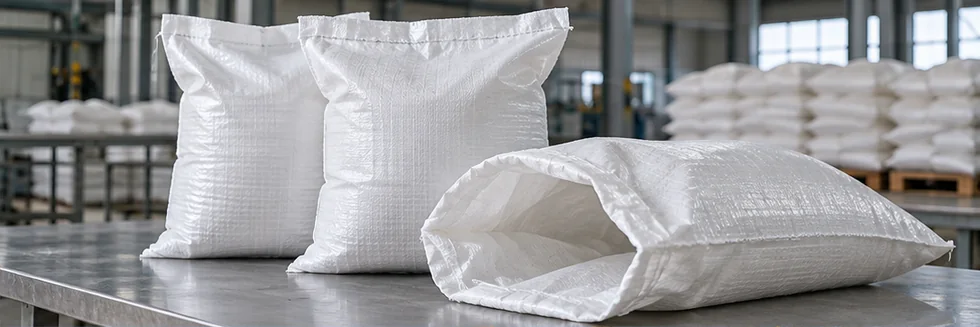
PP Woven Sacks are manufactured from drawn tapes woven into fabric, then cut and stitched or otherwise converted. Fabric weight, weave density, lamination, and UV stabilization define distinct bags. Cement, grain, feed, fertilizer, and general industrial sacks may need different constructions. A capacity label alone does not establish fabric strength, seam durability, or protection against fine-product leakage.
Key Applications & Industrial Demand
Dry food commodities, agricultural inputs, minerals, and industrial powders use suitable woven sacks. Buyers specify filling method, sift resistance, print, food-contact suitability where relevant, and handling loads. Liners and coated fabrics can change performance without changing the apparent bag size.
Key Factors Influencing PP Woven Sacks Price Movements
- Tape and Fabric Inputs: Polypropylene resin, drawn tapes, fabric weight, weave density, energy, and weaving efficiency influence the cost of the basic sack.
- Barrier and Exposure: Lamination, liners, UV stabilization, and intended storage conditions create separate requirements for powders, moisture-sensitive goods, or outdoor handling.
- Bag Conversion: Seam strength, valve or open-mouth design, dimensions, printing, order quantity, and test requirements add conversion cost beyond woven fabric.
How to Interpret PP Woven Sacks Pricing Data
Sacks quote per piece, thousand pieces, or sometimes fabric weight. Align dimensions, actual bag mass, fabric, coating, liner, printing, and load specification. A cheaper thin sack may increase breakage and product loss, making cost per safely delivered load more meaningful.
Further reading: FIBCA Woven Polypropylene Packaging Resources
Frequently Asked Questions About PP woven sacks
What Drives Price Changes for PP Woven Sacks?
PP resin, tape-line output, weaving, energy, printing, and agricultural or industrial orders influence prices. Laminated or high-strength sacks can have different capacity constraints.
How Do Quality or Specification Differences Affect PP Woven Sacks Pricing?
Fabric weight, tape strength, weave, seams, coating, liner, dimensions, and exposure qualification matter. Nominal filling capacity does not guarantee identical handling performance.
Why Can Local PP Woven Sacks Prices Differ From Global Benchmarks?
Resin access, conversion labor, freight volume, duties, printing runs, and local filling requirements affect prices. Custom dimensions and small orders carry higher setup cost.