


Understanding PP random copolymer Prices
Market Overview & Supply Chain Dynamics
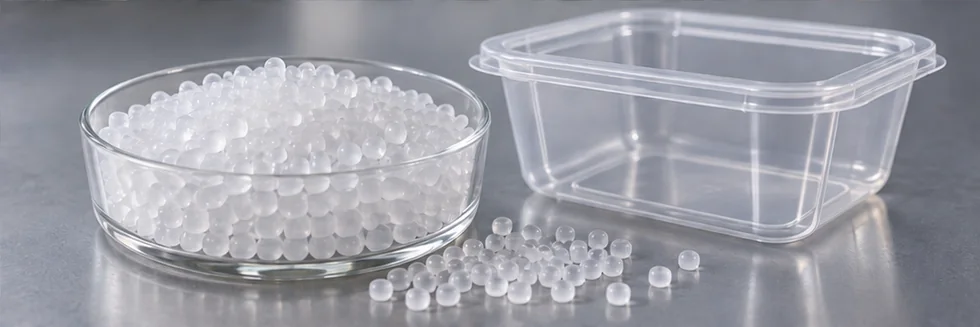
PP Random Copolymer incorporates random comonomer units, commonly ethylene or butene, into a polypropylene chain. Clarity, seal temperature, impact balance, and melt flow vary with resin design and additives. Transparent injection molding, packaging film, and pipe grades consequently have different specifications. A random-copolymer label describes polymer architecture, not automatic interchangeability across those applications.
Key Applications & Industrial Demand
Clear containers, household articles, medical or food packaging, and selected hot-water pipe systems use appropriate random copolymers. Buyers choose optical appearance, heat behavior, mechanical performance, and approval status for the specific end use. Pipe and thin-wall packaging demand follow different purchasing cycles.
Key Factors Influencing PP Random Copolymer Price Movements
- Comonomer and Resin Design: Random comonomer level and polymer architecture change crystallization, seal temperature, and impact balance, creating distinct grades within the random-copolymer family.
- Optical Additives: Clarity and haze requirements can require clarifiers and consistent processing behavior, supporting premiums in transparent containers and packaging applications.
- Application-Specific Flow: Melt flow, long-term pipe qualification, food-contact status, and sterilization requirements influence demand and the availability of acceptable substitute resin.
How to Interpret PP Random Copolymer Pricing Data
Prices are usually per kilogram or metric ton of resin or compound. Compare comonomer family, flow, clarity package, and intended processing method. Pipe-qualified material and clarified packaging resin should be evaluated against their own application requirements rather than a single random-PP average.
Further reading: LyondellBasell Random Copolymer Polypropylene
Frequently Asked Questions About PP random copolymer
What drives price changes for PP Random Copolymer?
Propylene and comonomer costs, specialized plant runs, packaging orders, and pipe-project demand affect prices. Different application grades can develop separate supply premiums.
How do quality or specification differences affect PP Random Copolymer pricing?
Comonomer, flow, clarity, stiffness, thermal behavior, and approvals matter. A clarified injection grade does not automatically meet a pressure-pipe or film specification.
Why can local PP Random Copolymer prices differ from global benchmarks?
Freight, duties, regional grade availability, additives, and customer qualification affect delivered prices. Approved pipe or packaging stocks can carry premiums over general export resin.