
Price CloudO3GLOBAL COMMODITY MARKETS
English (US) Language
PP non-woven fabric icon
TEXTILES, APPAREL, LEATHER AND FIBERS · SOURCES REPORT DIFFERENT PRICE TYPES

PP Non-Woven Fabric Latest Prices

PP Non-Woven Fabric prices explained through spunlaid webs, thermal bonding, basis weight, hydrophobic surfaces, tensile direction, and qualified finishes.

Download history CSV ↓
Price series · 1

Price series — PP non-woven fabric

Sources report different price types Sources may update at different intervals

Exact item match: 1Related benchmark: 0Within recorded date window: 1Outside date range: 0No latest observation: 0Live reference: 0
Clear filters
Showing 1–1 of 1 Price seriesPage 1 / 1
Price series PP non-woven fabric
Provider / SourceCountry / market / CurrencyLatest priceObserved date / published periodFrequencyMappingStatusSource
Shenzhen Mulan Technology Co., Ltd.Vải không dệt PPmulannonwoven.en.made-in-china.com:2223103975MadeInChina.PublicSupplier CN · Shenzhen Mulan Technology Co., Ltd.; public supplier offerUSD / kg 1.46 – 1.90USD / kg 10/25/2026First recorded (UTC)Last recorded by crawler: Supplier advertised quantity tierCurrent price · Reference snapshot
Series detailsAdvertised product title: Weather-Resistant PP Material Nonwoven Ground Cover Garden Fabric for Fruit Tree CultivationNative sku: 2223103975Quantity from: 1000Quantity to: not_statedQuantity upper bound: stated_range_or_minimumSource quantity and unit: 1,000 kg(MOQ)Supplier: Shenzhen Mulan Technology Co., Ltd.Supplier property:Application: Agriculture, Garden, Crop Cover, Plant CoverSupplier property:Colors: WhiteSupplier property:Feature: Anti-Pull, Breathable, Eco-Friendly, Mothproof, Waterproof, UV-Resistant, Cost-Effective, Labor-SavingSupplier property:HS Code: 5603Supplier property:Keywords: Spunbond Non Woven FabricSupplier property:Model NO.: Nonwoven FabricSupplier property:Optional Treatment: Anti-UVSupplier property:Origin: Guangdong, ChinaSupplier property:Product Name: PP Spunbond Nonwoven FabricSupplier property:Raw Material: 100% PPSupplier property:Size: CustomizedSupplier property:Specification: Standard Specifications or CustomizedSupplier property:Techniques: SpunbondSupplier property:Thickness: Light WeightSupplier property:Trademark: MULANSupplier property:Transport Package: Inside Paper Tube; Outside Poly BagSupplier property:Usage: Agriculture, GardenSupplier property:Weight: 9GSM-100GSMSupplier property:Width: 0.8m-3.3mPublisher effective date not disclosedNo synthetic daily historySupplier advertised not completed transactionConditional quantity tier or price rangeSupplier claims not independently certifiedSpecific supplier model or family not country averageFreight tax delivery terms not inferred
Exact item match Within recorded date window Source ↗History

Price history

Each source has its own currency and unit · Sources may update at different intervals
No data in this range. View full history →

Historical price table

Actual publication periods; missing periods are not interpolated
0 records
Price history PP non-woven fabric — Each source has its own currency and unit
PeriodPrice (Each source has its own currency and unit)Source
No records in this range.

Definition: A polypropylene fiber web bonded into a fabric without conventional weaving or knitting.

Key Specifications and Terms:

Understanding PP non-woven fabric Prices
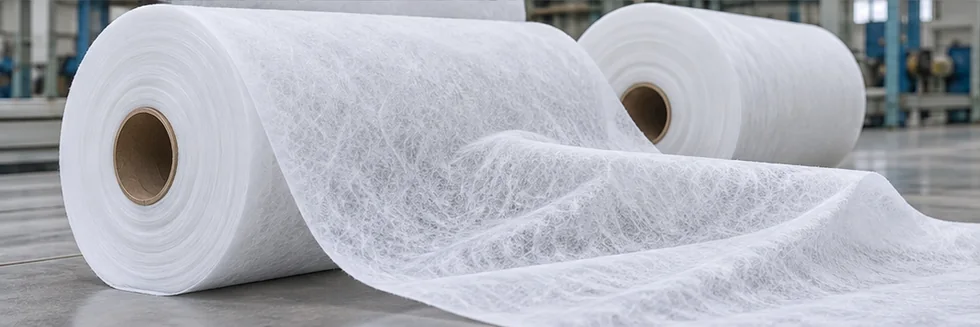
White polypropylene nonwoven fabric rolls showing a random fiber web
Illustrative image for the PP Non-Woven Fabric market guide.

Market Overview & Supply Chain Dynamics

PP Non-Woven Fabric is a bonded fiber web rather than a yarn-interlaced cloth. Spunlaid web production, thermal bonding, basis weight, hydrophobic surface, and tensile direction define many commercial grades. Finishing can change wetting, color, feel, or ultraviolet resistance. Spunbond, meltblown, and composite structures should be identified separately because the broad polypropylene-nonwoven name does not establish filtration or medical performance.

Key Applications & Industrial Demand

Hygiene products, shopping bags, agriculture, furniture, protective layers, and other industrial applications use qualified nonwovens. Buyers choose strength, barrier, softness, wetting, and durability for the intended task. A bag fabric and a hygiene coverstock may require very different finish and cleanliness.

Key Factors Influencing PP Non-Woven Fabric Price Movements

  • Resin and Web Formation: Polypropylene feed, spunlaid web control, thermal bonding, energy, and line utilization influence fabric cost and consistency.
  • Performance per Area: Basis weight, tensile direction, bonding pattern, tear, and uniformity determine the usable strength and coverage delivered to a converter.
  • Surface and Application Finish: Hydrophobic surface, hydrophilic treatment, UV stabilization, color, cleanliness, and qualification create distinct price tiers within PP nonwovens.

How to Interpret PP Non-Woven Fabric Pricing Data

Nonwoven offers may use kilograms, square meters, or rolls. Align grammage, width, process, finish, strength, and net roll weight. A lower kilogram price can supply less area or an unsuitable bonded structure, while finished bags or garments add conversion.

Further reading: EDANA Nonwoven Manufacturing Processes

Frequently Asked Questions About PP non-woven fabric

What Drives Price Changes for PP Non-Woven Fabric?

PP resin, energy, nonwoven-line capacity, hygiene and industrial orders, and inventories influence prices. Finishing and cleanliness requirements can separate specialty grades from ordinary bag fabric.

How Do Quality or Specification Differences Affect PP Non-Woven Fabric Pricing?

Grammage, uniformity, tensile direction, bonding, surface treatment, defects, and application tests matter. A polypropylene composition does not establish certified barrier or filtration behavior.

Why Can Local PP Non-Woven Fabric Prices Differ From Global Benchmarks?

Local web production, bulky freight, duties, finishing, stock widths, minimum orders, and converter demand affect prices. Trim and off-spec rolls change the cost of accepted area.