


Understanding PP impact copolymer Prices
Market Overview & Supply Chain Dynamics
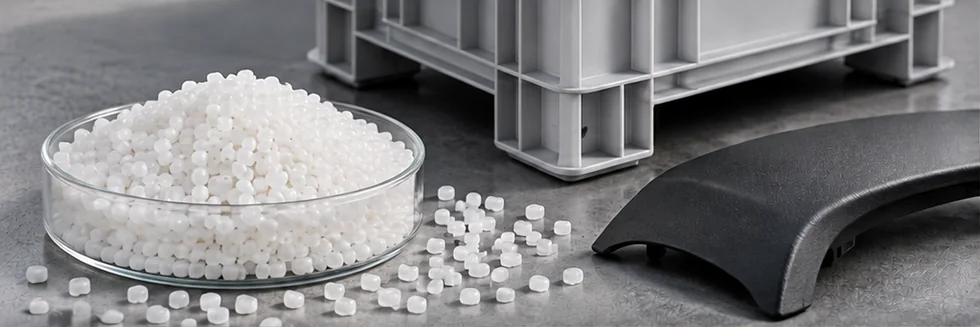
PP Impact Copolymer uses a heterophasic structure with a rubber phase to improve toughness relative to many homopolymers. Low-temperature impact, stiffness balance, and melt-flow rate define practical differences among grades. Production requires control of both the polypropylene matrix and dispersed phase, so automotive, crate, and appliance customers do not necessarily buy equivalent pellets despite the common impact-copolymer name.
Key Applications & Industrial Demand
Automotive interiors and exterior parts, durable crates, appliance housings, and other impact-loaded products use these resins. Purchasers seek resistance to brittle failure without excessive loss of stiffness. Color, emissions, scratch behavior, and weathering may add application-specific requirements.
Key Factors Influencing PP Impact Copolymer Price Movements
- Multiphase Production: The rubber phase and heterophasic structure require controlled polymerization, affecting plant flexibility and the availability of specific impact-performance grades.
- Cold-Service Toughness: Low-temperature impact and stiffness balance determine qualification for crates, vehicle parts, and housings exposed to drops or cold operating conditions.
- Conversion Requirements: Melt-flow rate, warpage, color consistency, and application approvals influence the cost of usable molded parts and restrict easy substitution between pellets.
How to Interpret PP Impact Copolymer Pricing Data
Commercial offers usually quote kilograms or metric tons. Compare impact testing temperature and method, flow, stiffness, and any compounded fillers. An impact copolymer should not be valued directly against a homopolymer unless the finished part can meet the same service requirements.
Further reading: LyondellBasell Polypropylene Selection Guide
Frequently Asked Questions About PP impact copolymer
What drives price changes for PP Impact Copolymer?
Propylene economics, copolymer capacity, automotive production, and durable-goods demand influence prices. Approved high-impact grades may retain premiums during general PP oversupply.
How do quality or specification differences affect PP Impact Copolymer pricing?
Rubber content, impact test conditions, flow, stiffness, emissions, and stabilization distinguish grades. A higher impact value may involve trade-offs in rigidity or appearance.
Why can local PP Impact Copolymer prices differ from global benchmarks?
Import freight, automotive approvals, compound availability, color requirements, and regional inventory shape local prices. Qualified replacement supply may be limited even when generic PP is available.