


Understanding Pistachios Prices
Market Overview & Supply Chain Dynamics
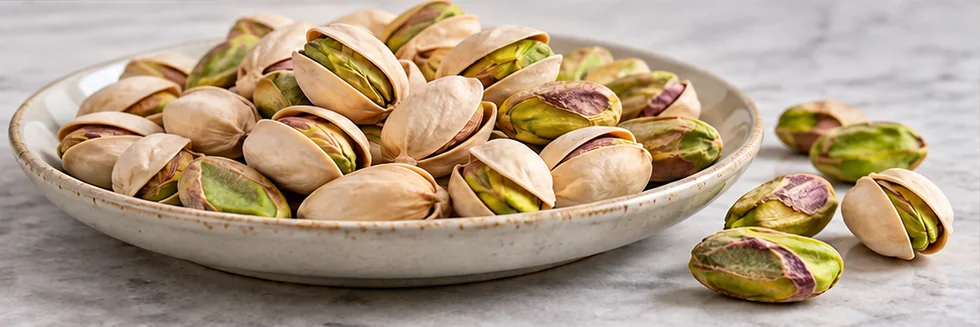
Pistachios are sorted by natural split, closed shell, size, staining, and internal condition. Prompt processing limits the effect of hulling delay, while aflatoxin control is central to qualified food trade. Kernel color matters in confectionery and bakery ingredients. In-shell roasted snacks, raw kernels, and bright-green specialty kernels therefore carry different preparation and quality premiums.
Key Applications & Industrial Demand
Snack roasters, ice-cream makers, confectioners, and pastry manufacturers require different sizes and forms. Naturally opened nuts suit convenient in-shell consumption, while kernel users value edible recovery, color, flavor, and consistent chopping or paste behavior.
Key Factors Influencing Pistachios Price Movements
- Shell and Kernel Recovery: Natural split, closed shell proportions, kernel color, and size distribution determine the crop's saleable grade mix.
- Postharvest Control: Hulling delay, drying, insect damage, and aflatoxin testing influence acceptance and the amount eligible for food markets.
- Prepared-Nut Demand: Snack roasting, pastry ingredients, kernel extraction, packaging, and origin-specific crop cycles influence grade premiums.
How to Interpret Pistachios Pricing Data
Compare currency per pound or kilogram with in-shell or kernel basis, split type, size, roast, salt, and test requirements stated. Gross in-shell weight includes nonedible shell. Intensely green selected kernels should not be benchmarked directly against ordinary snack nuts.
Further reading: FAO: Pistachio Processing and Aflatoxin Control
Frequently Asked Questions About Pistachios
What drives price changes for Pistachios?
Harvest size, natural-split recovery, kernel supply, food-safety qualification, and snack or confectionery demand influence prices.
How do quality or specification differences affect Pistachios pricing?
Shell status, split type, caliber, green color, defects, roast, salt, and aflatoxin compliance distinguish products.
Why can local Pistachios prices differ from global benchmarks?
Shelling, sorting, testing, roasting, packing, freight, and demand for green kernels or large snack nuts create regional premiums.