


Understanding Piped industrial natural gas Prices
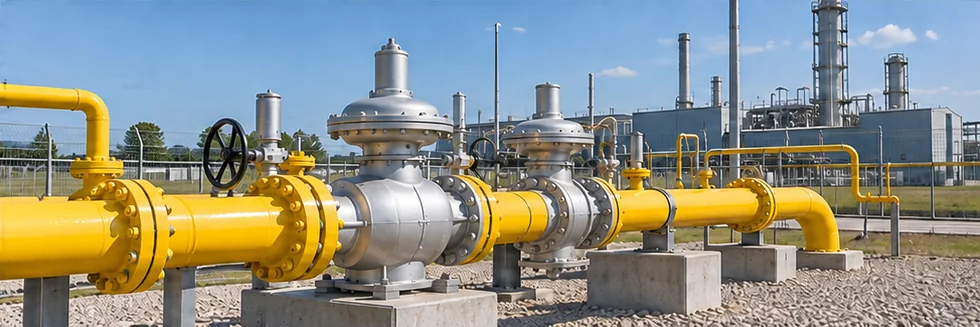
Market Overview & Supply Chain Dynamics
Piped Industrial Natural Gas supplies factories through contracts that define firm capacity, pressure requirement, and a calorific basis. Customers may nominate expected demand to support pipeline balancing. An interruptible contract can reduce some charges while exposing production to curtailment. This combination of fuel and delivery rights makes an industrial gas price more complex than a wholesale hub quotation.
Key Applications & Industrial Demand
Industrial boilers, kilns, furnaces, and combined heat-and-power plants burn gas for controllable heat. Chemical producers can also use methane as a feedstock. Continuous processes often place greater value on reliable capacity than plants able to switch fuels or suspend production.
Key Factors Influencing Piped Industrial Natural Gas Price Movements
- Supply Reliability: Firm capacity and an interruptible contract carry different curtailment exposure, especially for plants without economical backup fuel.
- Delivery Conditions: The pressure requirement, calorific basis, and nomination rules determine whether gas meets the process and contractual needs.
- Industrial Load Shape: Steady consumption, seasonal shutdowns, and unexpected demand deviations affect capacity utilization and potential balancing charges.
How to Interpret Piped Industrial Natural Gas Pricing Data
Evaluate currency per energy measure, such as MMBtu or megawatt-hour, at the stated delivery point. Add transport, capacity, balancing, and metering costs. A volume quotation needs calorific conversion, and an interruptible offer cannot be valued as equivalent to firm service.
Further reading: EIA: Natural Gas Markets and Delivery
Frequently Asked Questions About Piped industrial natural gas
What drives price changes for Piped Industrial Natural Gas?
Gas supply, storage, weather, pipeline congestion, and industrial consumption affect fuel prices. Capacity and balancing terms determine the delivered factory cost.
How do quality or specification differences affect Piped Industrial Natural Gas pricing?
Firmness, pressure, energy content, contract duration, and permitted demand variation distinguish industrial supply. Fuel-switching capability changes the value of interruptible service.
Why can local Piped Industrial Natural Gas prices differ from global benchmarks?
Pipeline access, transport tariffs, import links, and regional industrial demand create a local delivery basis above or below a wholesale hub.