


Understanding Pig iron Prices
Market Overview & Supply Chain Dynamics
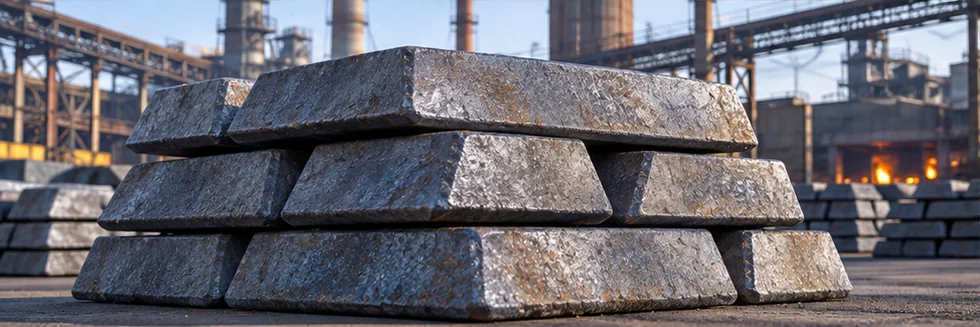
Pig Iron is molten iron cast into transportable units before remelting or steelmaking. Carbon, silicon, phosphorus, and sulfur define important grades. Foundry grade material differs from basic steelmaking pig iron because casting recipes and impurity tolerances vary. Production follows ore reduction, often in a blast furnace, so ore, coke, energy, and casting availability all contribute to merchant supply.
Key Applications & Industrial Demand
Foundries blend pig iron with other metallics to make castings, while steelmakers use it to adjust an EAF or other charge. Controlled chemistry and predictable residuals can be valuable when scrap quality is variable. Each buyer assigns value according to its target metal chemistry.
Key Factors Influencing Pig Iron Price Movements
- Smelting Inputs: Ore, coke, flux, energy, and furnace utilization affect the cost and availability of merchant pig iron independently of finished-steel rolling capacity.
- Chemical Balance: Carbon and silicon influence charge design, while phosphorus and sulfur can create refining costs or exclude material from demanding casting applications.
- Foundry Consumption: Foundry grade purchasing, steel-mill demand, and competing scrap or DRI values determine the premium buyers will pay for predictable iron units.
How to Interpret Pig Iron Pricing Data
Pig iron is commonly priced per metric ton delivered or loaded at a named port. Identify basic, foundry, or other chemistry before comparing values. A scrap or ore benchmark describes a different metallic feed with different yield and refining implications.
Further reading: AISI Blast-Furnace and Steelmaking Processes
Frequently Asked Questions About Pig iron
What Drives Price Changes for Pig Iron?
Ore and coke costs, smelter output, foundry orders, and steelmakers' metallic-charge choices influence prices. Export availability can matter when supply is concentrated.
How Do Quality or Specification Differences Affect Pig Iron Pricing?
Silicon, phosphorus, sulfur, manganese, carbon, and residual elements distinguish grades. Foundries may pay more for chemistry that reduces adjustment or rejection costs.
Why Can Local Pig Iron Prices Differ From Global Benchmarks?
Bulk freight, port handling, inland haulage, duties, and local alternatives such as scrap or DRI affect delivered values. Import timing can create substantial regional differences.