
Price CloudO3GLOBAL COMMODITY MARKETS
English (US) Language
Pig iron icon
STEEL AND FERROUS METALS · SOURCES REPORT DIFFERENT PRICE TYPES

Pig Iron Latest Prices

Pig Iron price guide covering carbon, silicon, sulfur, phosphorus, foundry grades, smelting costs, and the value of predictable metallic feed.

Download history CSV ↓
Price series · 2

Price series — Pig iron

Sources report different price types Sources may update at different intervals

Exact item match: 0Related benchmark: 2Within recorded date window: 2Outside date range: 0No latest observation: 0Live reference: 0
Clear filters
Showing 1–2 of 2 Price seriesPage 1 / 1
Price series Pig iron
Provider / SourceCountry / market / CurrencyLatest priceObserved date / published periodFrequencyMappingStatusSource
MadeInChina.PublicSupplierGang thỏisjzhspt.en.made-in-china.com:2224288845MadeInChina.PublicSupplier CN · SHIJIAZHUANG HSPT CO., LTD.; public supplier offerUSD / ton 500.00 – 700.00USD / ton 10/24/2026First recorded (UTC)Last recorded by crawler: Supplier advertised quantity tierCurrent price · Reference snapshot
Series detailsAdvertised product title: Foundry Cast Iron Rio Tinto Foundry Steel Ingot Steel Making Pig Iron High-Purity Pig IronNative sku: 2224288845Quantity from: 100Quantity to: not_statedQuantity upper bound: stated_range_or_minimumSource quantity and unit: 100 Tons(MOQ)Supplier: SHIJIAZHUANG HSPT CO., LTD.Supplier property:Application: Loader, Construction Machinery, Metallurgical Machinery, Cement Plant, Thermal Power Plant, Coal YardSupplier property:Function: HardSupplier property:Material: IronSupplier property:Nature: Wear-ResistantSupplier property:Origin: Hebei, ChinaSupplier property:Production: Steel-MakingSupplier property:Satau: Pig IronSupplier property:Specification: CustomizedSupplier property:Standard: JIS, GB, DIN, BS, ASTM, AISISupplier property:Trademark: HSPTSupplier property:Transport Package: in Bags/BulkSupplier property:Type: Wear Resistant CastingSupplier property:Warranty: 1 YearPublication effective date not disclosedNo historical daily prices generatedSupplier advertised not completed transactionConditional quantity tier or price rangeSupplier claims not independently certifiedCatalog mapping benchmark specific supplier spec retainedFreight tax delivery terms not inferredSource ton basis not converted to metric or short ton
Related benchmark Within recorded date window Source ↗History
SMM.PublicAssessmentGang thỏi202203070002SMM.PublicAssessment CN · Foundry Pig Iron Z18USD / t 380.34USD / t 11/18/2026 Published physical market assessmentDaily · Published period
Series detailsAssessment name: Foundry Pig Iron Z18Native assessment id: 202203070002Publisher underlying unit: yuan/tonneSource published unit: USD/tonneMarket assessment benchmark not individual purchase offerSource published average and boundsLatest public assessment only no generated historyTax and unstated delivery terms not assumedProvider publishes USD display converted from CNY original CNY amount not in response
Related benchmark Within recorded date window Source ↗History

Price history

Each source has its own currency and unit · Sources may update at different intervals
No data in this range. View full history →

Historical price table

Actual publication periods; missing periods are not interpolated
0 records
Price history Pig iron — Each source has its own currency and unit
PeriodPrice (Each source has its own currency and unit)Source
No records in this range.

Definition: A high-carbon iron product cast from smelting for foundry or steelmaking use.

Key Specifications and Terms:

Understanding Pig iron Prices
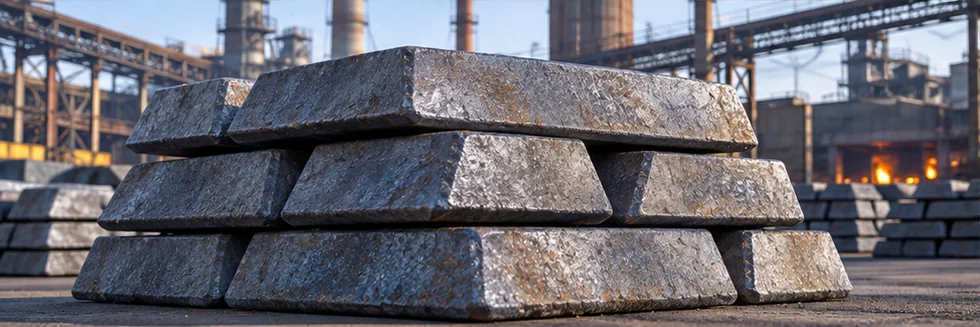
Rough cast pig-iron units stacked in a foundry raw-material yard.
Illustrative image for the Pig Iron market guide.

Market Overview & Supply Chain Dynamics

Pig Iron is molten iron cast into transportable units before remelting or steelmaking. Carbon, silicon, phosphorus, and sulfur define important grades. Foundry grade material differs from basic steelmaking pig iron because casting recipes and impurity tolerances vary. Production follows ore reduction, often in a blast furnace, so ore, coke, energy, and casting availability all contribute to merchant supply.

Key Applications & Industrial Demand

Foundries blend pig iron with other metallics to make castings, while steelmakers use it to adjust an EAF or other charge. Controlled chemistry and predictable residuals can be valuable when scrap quality is variable. Each buyer assigns value according to its target metal chemistry.

Key Factors Influencing Pig Iron Price Movements

  • Smelting Inputs: Ore, coke, flux, energy, and furnace utilization affect the cost and availability of merchant pig iron independently of finished-steel rolling capacity.
  • Chemical Balance: Carbon and silicon influence charge design, while phosphorus and sulfur can create refining costs or exclude material from demanding casting applications.
  • Foundry Consumption: Foundry grade purchasing, steel-mill demand, and competing scrap or DRI values determine the premium buyers will pay for predictable iron units.

How to Interpret Pig Iron Pricing Data

Pig iron is commonly priced per metric ton delivered or loaded at a named port. Identify basic, foundry, or other chemistry before comparing values. A scrap or ore benchmark describes a different metallic feed with different yield and refining implications.

Further reading: AISI Blast-Furnace and Steelmaking Processes

Frequently Asked Questions About Pig iron

What Drives Price Changes for Pig Iron?

Ore and coke costs, smelter output, foundry orders, and steelmakers' metallic-charge choices influence prices. Export availability can matter when supply is concentrated.

How Do Quality or Specification Differences Affect Pig Iron Pricing?

Silicon, phosphorus, sulfur, manganese, carbon, and residual elements distinguish grades. Foundries may pay more for chemistry that reduces adjustment or rejection costs.

Why Can Local Pig Iron Prices Differ From Global Benchmarks?

Bulk freight, port handling, inland haulage, duties, and local alternatives such as scrap or DRI affect delivered values. Import timing can create substantial regional differences.