


Understanding PEEK Prices
Market Overview & Supply Chain Dynamics
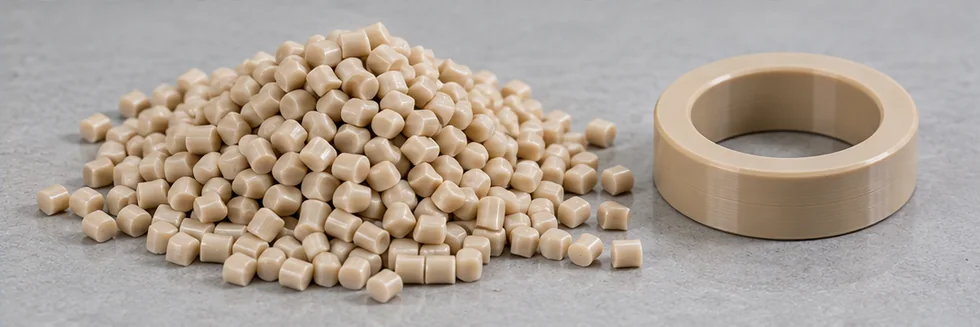
PEEK is polyether ether ketone, a semicrystalline thermoplastic made for demanding thermal, chemical, and mechanical service. Melt viscosity distinguishes extrusion, molding, and high-flow grades, while carbon reinforcement changes stiffness and wear behavior. Aerospace qualification and implant grade documentation create additional commercial divisions. These properties place PEEK in a specialized engineering market where resin identity alone is insufficient to establish an equivalent purchase.
Key Applications & Industrial Demand
Aerospace parts, electrical components, bearings, seals, analytical equipment, and oilfield systems use suitable PEEK grades. Medical implants require specifically qualified materials and device evaluation. General industrial PEEK should not be assumed appropriate for implantation merely because it shares the polymer name.
Key Factors Influencing PEEK Price Movements
- Processing Rheology: Melt viscosity and semicrystalline behavior affect mold filling, extrusion, fiber wet-out, and the processing window, creating distinct demand for specific resin grades.
- Reinforced Performance: Carbon reinforcement, glass filling, or wear additives alter stiffness, friction, and dimensional behavior, with each compound requiring its own commercial comparison.
- Qualified Supply: Aerospace qualification and implant grade traceability can require controlled production and lengthy approval, limiting substitutes when established customers need uninterrupted supply.
How to Interpret PEEK Pricing Data
PEEK is often quoted in US dollars per kilogram in international trade. Separate unfilled resin, filled compounds, powder, stock shapes, and machined components. Flow class, reinforcement, traceability, and approval status explain premiums that a broad plastics benchmark cannot capture.
Further reading: Victrex PEEK Grades and Melt Viscosity
Frequently Asked Questions About PEEK
What drives price changes for PEEK?
Specialized polymer capacity, feedstock and energy costs, engineering-program orders, and qualified inventory influence prices. A particular approved grade can tighten independently of general plastics.
How do quality or specification differences affect PEEK pricing?
Viscosity class, filler, color, powder or pellet form, traceability, and approvals distinguish grades. Implant-related material requires documentation beyond ordinary industrial resin specifications.
Why can local PEEK prices differ from global benchmarks?
Small imported lots, specialist stocking, certification, freight, and technical support affect regional prices. Machined shapes also include conversion yield and processing costs.