


Understanding Packaged flour Prices
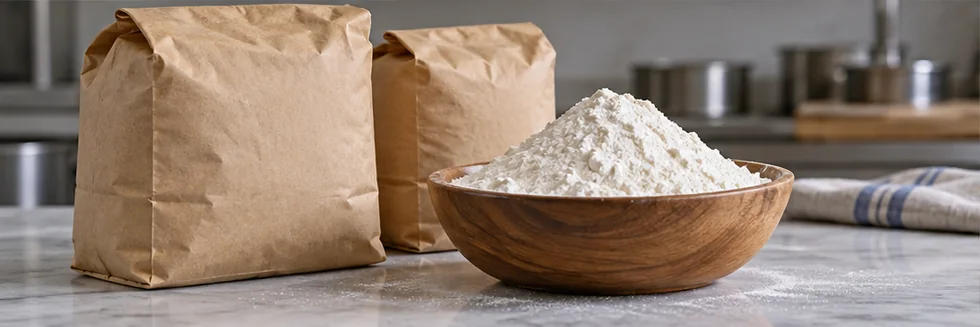
Market Overview & Supply Chain Dynamics
Packaged Flour begins with a cereal and milling specification, then adds consumer packing. Protein level, extraction rate, and ash distinguish white bread flour, pastry flour, wholemeal, and other forms. Fortification or self-raising ingredients can create further differences. Pack weight and protective packaging influence retail economics beyond the wheat cost paid by the mill.
Key Applications & Industrial Demand
Households, bakeries, restaurants, and small manufacturers select flour for bread, cakes, noodles, or other foods. A flour's dough and baking performance can matter more than a low price per bag if it changes recipe yield or product consistency.
Key Factors Influencing Packaged Flour Price Movements
- Milling Grade: Protein level, extraction rate, ash, wheat class, and blending determine the flour functionality and mill recovery.
- Formulation and Pack: Fortification, raising agents where included, pack weight, barrier materials, and labeling influence consumer-product costs.
- Baking Market: Wheat procurement, mill utilization, bakery orders, home-baking demand, freight, and promotions influence packaged-flour prices.
How to Interpret Packaged Flour Pricing Data
Compare currency per kilogram for the same cereal, protein, extraction, additives, and pack. Wholegrain, self-raising, and plain refined flour should remain distinct. Grain prices require milling recovery, energy, bagging, and distribution adjustments before comparison with retail flour.
Further reading: Kansas State University: Wheat and Milling Tests
Frequently Asked Questions About Packaged flour
What drives price changes for Packaged Flour?
Wheat quality and cost, milling energy, recovery, packaging, distribution, and baking demand influence flour prices.
How do quality or specification differences affect Packaged Flour pricing?
Cereal type, protein, extraction, ash, additives, treatment, and pack size distinguish different baking products.
Why can local Packaged Flour prices differ from global benchmarks?
Local milling, quality blending, fortification, bags, freight, retail overhead, and taxes add costs beyond grain benchmarks.