


Understanding PA66 Prices
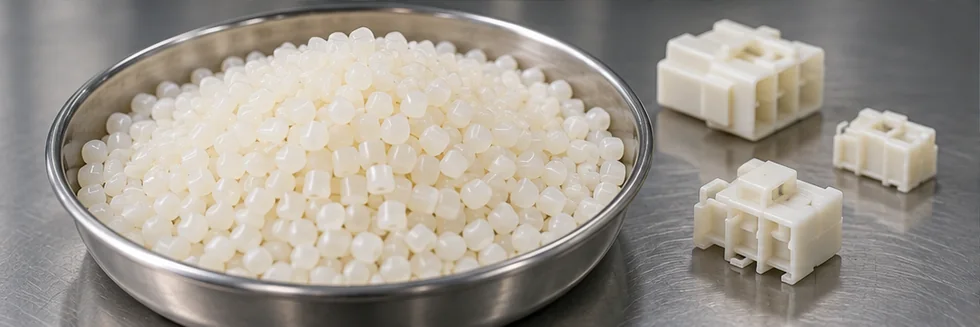
Market Overview & Supply Chain Dynamics
PA66 is an engineering polyamide made from hexamethylenediamine and adipic acid. Glass reinforcement, heat stabilization, and moisture conditioning strongly influence the properties a converter receives. Base resin, reinforced compounds, and flame-retardant grades occupy different market segments. Moisture uptake also means that dry-as-molded test results do not describe every service condition, especially in dimensionally sensitive parts.
Key Applications & Industrial Demand
Automotive under-hood parts, electrical connectors, cable ties, industrial components, and textile or technical fibers use appropriate PA66 grades. Buyers choose strength, toughness, thermal durability, and chemical resistance. Electrical and transport approvals can significantly narrow the pool of acceptable compounds.
Key Factors Influencing PA66 Price Movements
- Monomer Availability: Hexamethylenediamine and adipic acid balances affect PA66 production, and shortages in either can constrain resin despite sufficient downstream molding capacity.
- Compound Engineering: Glass reinforcement and heat stabilization alter stiffness, aging performance, and processing, creating specific-grade premiums beyond the price of unfilled nylon.
- Moisture and Qualification: Moisture conditioning affects dimensions and toughness, while electrical or automotive approval requirements can limit substitution between superficially similar PA66 compounds.
How to Interpret PA66 Pricing Data
PA66 trades by kilogram or metric ton, with compounds carrying filler and additive costs. Compare glass content, thermal package, viscosity, moisture condition, and required approvals. A base-resin quote does not include the compounding and qualification value of an engineered connector grade.
Further reading: BASF Polyamide66 and Precursors
Frequently Asked Questions About PA66
What drives price changes for PA66?
Monomer costs, resin outages, automotive demand, and electrical-component orders influence prices. Qualified reinforced compounds may remain constrained even as unfilled resin supply improves.
How do quality or specification differences affect PA66 pricing?
Viscosity, reinforcement, flame retardancy, thermal stabilization, color, and approvals distinguish grades. Moisture condition also changes how quoted mechanical properties should be interpreted.
Why can local PA66 prices differ from global benchmarks?
Compounding, certification, import freight, inventory, and technical support affect local offers. Small qualified lots carry different economics from bulk unfilled polymer.