


Understanding Oil filter Prices
Market Overview & Supply Chain Dynamics
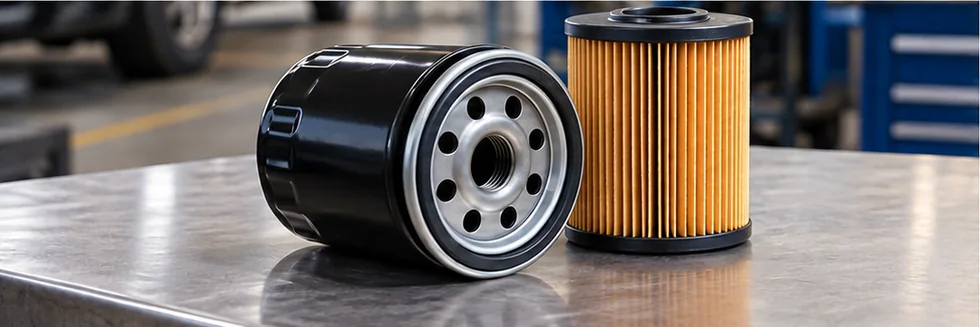
An oil filter channels engine oil through filter media intended to capture contaminants while allowing required flow. Pressure drop, bypass valve settings, anti-drainback valve design, and thread and seal dimensions distinguish fitments. Spin-on and cartridge filters have different hardware. A filter with the correct outer diameter can still be unsuitable if its internal valves, flow performance, or mounting specification do not match the engine.
Key Applications & Industrial Demand
Workshops, vehicle fleets, equipment owners, and engine manufacturers use oil filters during scheduled servicing or repairs. Demand is tied to oil-change intervals and the installed engine population. Heavy duty, cold starts, extended service, and contaminated operation create different requirements for media capacity and construction.
Key Factors Influencing Oil Filter Price Movements
- Filtration Construction: Filter media, capture efficiency, dirt-holding capacity, structural support, and pressure drop influence protection and acceptable oil flow.
- Engine-Specific Valves: Bypass valve, anti-drainback valve, thread and seal dimensions, and housing strength determine compatibility with the lubrication system.
- Service Packaging: Fitment coverage, authorized supply, installation hardware, quality testing, and workshop stock availability influence finished-filter value.
How to Interpret Oil Filter Pricing Data
Prices normally apply per filter or service kit. Identify the full application code, cartridge or spin-on design, included seals, and valve requirements. Oil and replacement labor are separate items unless a service package states otherwise. Comparison by dimensions alone ignores internal functions that are critical to engine lubrication.
Further reading: MANN-FILTER: Oil Filter Quality and Valve Functions
Frequently Asked Questions About Oil filter
What Drives Price Changes for Oil Filter?
Media, steel or plastic housings, vehicle-service demand, fitment inventory, and distribution volumes influence oil-filter offers.
How Do Quality or Specification Differences Affect Oil Filter Pricing?
Capture performance, capacity, pressure behavior, valve calibration, sealing, and housing durability distinguish filters beyond external size.
Why Can Local Oil Filter Prices Differ From Global Benchmarks?
Application-specific stock, workshop installation, service-kit contents, freight, taxes, and local warranty support add costs beyond a factory filter.