


Understanding New refrigerated shipping container Prices
Market Overview & Supply Chain Dynamics
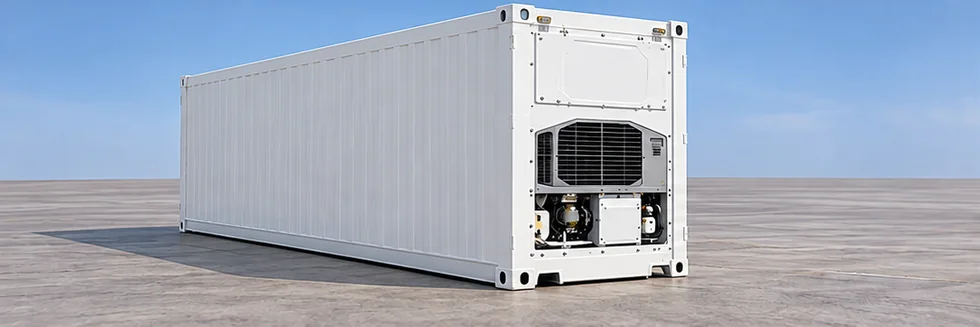
A new refrigerated shipping container combines an insulated box, refrigeration unit, airflow floor, controls, and electrical connections. Set point, air circulation, insulation, and pre-trip inspection requirements distinguish it from a dry box. Capacity and temperature behavior depend on ambient conditions, loading, ventilation, and cargo. Temperature control does not compensate for inappropriate loading or a product requiring pre-cooling before shipment.
Key Applications & Industrial Demand
Food exporters, pharmaceutical logistics, carriers, lessors, and cold-chain operators buy reefer containers for controlled-temperature transport. Procurement follows cargo volumes, route conditions, temperature requirements, and available electrical infrastructure. Some applications need humidity, atmosphere, or monitoring functions beyond basic cooling.
Key Factors Influencing New Refrigerated Shipping Container Price Movements
- Refrigeration Package: Refrigeration unit design, set point range, controls, monitoring, and permitted operating conditions determine temperature-control capability and machinery cost.
- Insulated Cargo Space: Insulation, air circulation, floor construction, seals, dimensions, and payload define both usable capacity and thermal performance.
- Readiness and Support: Pre-trip inspection, warranty, refrigerant service, spare parts, factory availability, and pickup location shape the complete new-reefer acquisition.
How to Interpret New Refrigerated Shipping Container Pricing Data
Compare prices per complete refrigerated box with dimensions, machinery, temperature capabilities, approval, and warranty specified. Electrical supply, handling, inspection, inland delivery, and commissioning may be additional. A non-operating reefer sold as insulated storage is not equivalent to a new, transport-ready refrigerated container.
Further reading: Carrier Transicold: Container Refrigeration IMO: Container Safety
Frequently Asked Questions About New refrigerated shipping container
What Drives Price Changes for New Refrigerated Shipping Container?
Refrigeration machinery, insulation, container steel, cold-chain investment, and fleet replacement influence new reefer-container prices.
How Do Quality or Specification Differences Affect New Refrigerated Shipping Container Pricing?
Temperature stability, air distribution, envelope integrity, monitoring, machinery serviceability, and inspection status distinguish refrigeration-equipped boxes.
Why Can Local New Refrigerated Shipping Container Prices Differ From Global Benchmarks?
Specialized transport, inspection, electrical preparation, local service, taxes, and available reefer stock add costs beyond manufacturing quotations.