


Understanding NAND flash Prices
Market Overview & Supply Chain Dynamics
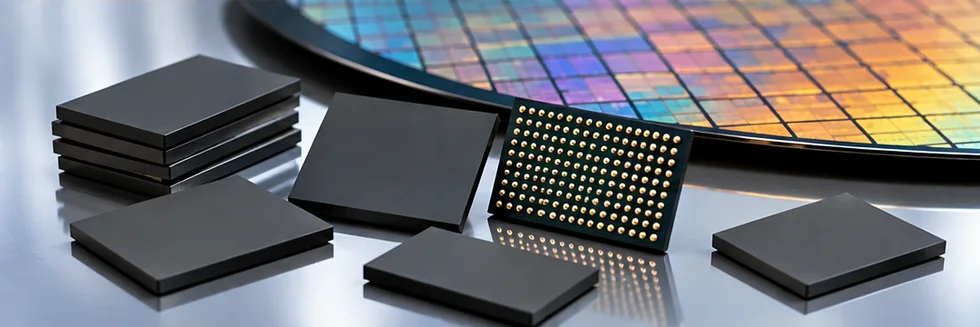
NAND flash is nonvolatile storage fabricated as dense memory arrays rather than a computer's temporary working memory. Modern production uses 3D layers to increase capacity, while bits per cell influence density, endurance, and operating characteristics. Error correction, bad-block management, and controller behavior determine usable performance. The price of a raw NAND package therefore cannot be interpreted as the complete cost of a solid-state drive or managed flash device.
Key Applications & Industrial Demand
SSD makers, smartphone manufacturers, memory-card producers, and embedded-equipment designers buy NAND for persistent storage. Enterprise workloads emphasize sustained writing and reliability, while consumer electronics balance capacity, responsiveness, and cost. Procurement demand changes when device makers increase storage configurations or a new controller platform qualifies a different flash generation.
Key Factors Influencing NAND Flash Price Movements
- Layer and Cell Technology: More 3D layers and different bits per cell alter wafer productivity, manufacturing complexity, and the balance between capacity and endurance.
- Controller Qualification: Error correction requirements and interface compatibility determine which flash can operate reliably with a customer's storage-controller design.
- Storage Inventory: Smartphone builds, SSD shipments, cloud storage purchases, and manufacturer capacity decisions govern inventory accumulation and subsequent replenishment.
How to Interpret NAND Flash Pricing Data
NAND may be quoted per package, wafer allocation, or normalized storage capacity. Distinguish raw flash from managed eMMC, UFS, and complete SSDs. Die generation, cell type, interface, endurance class, and test conditions explain price differences that a simple dollars-per-gigabyte comparison can conceal.
Further reading: Micron: Choosing the Right NAND
Frequently Asked Questions About NAND flash
What drives price changes for NAND Flash?
Fabrication output, storage demand, layer transitions, device-maker inventories, and shifts between enterprise and consumer capacity affect NAND pricing.
How do quality or specification differences affect NAND Flash pricing?
Cell type, endurance, interface, die generation, temperature qualification, and raw-versus-managed construction distinguish commercially different flash products.
Why can local NAND Flash prices differ from global benchmarks?
Packaged-chip inventories, controller compatibility, authorized distribution, smaller orders, and import charges create differences from large wafer or contract agreements.