


Understanding Monocrystalline solar modules Prices
Market Overview & Supply Chain Dynamics
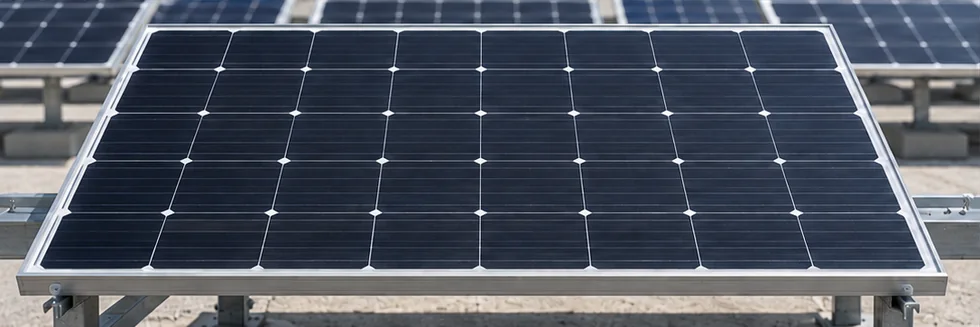
Monocrystalline Solar Modules convert sunlight through cells cut from single-crystal silicon wafers. Cell efficiency and nameplate wattage determine the power accommodated on a roof or site, while the temperature coefficient influences operating output in heat. Bifacial gain is relevant only for suitable module designs and installations. The degradation warranty adds a long-term performance dimension to the purchase.
Key Applications & Industrial Demand
Rooftop, commercial, and utility-scale developers select modules around available area, structure, inverter design, and energy yield. High power per module can reduce some installation work, but weight, dimensions, and electrical compatibility still constrain system design.
Key Factors Influencing Monocrystalline Solar Modules Price Movements
- Wafer and Cell Supply: Silicon wafer availability, cell efficiency improvements, and manufacturing utilization influence the cost of the module's active photovoltaic material.
- Operating Performance: Nameplate wattage, temperature coefficient, and achievable bifacial gain affect energy production and the value of each installed module.
- Bankability and Delivery: Degradation warranty, certification, shipment volume, breakage protection, and supplier support influence procurement premiums beyond factory output cost.
How to Interpret Monocrystalline Solar Modules Pricing Data
Module offers often use dollars per watt of rated DC power. Compare the same test basis, module design, delivery quantity, and warranty backing. Installed-system prices additionally cover mounting, wiring, inverters, labor, and grid connection.
Further reading: DOE: Solar Photovoltaic Technology Basics
Frequently Asked Questions About Monocrystalline solar modules
What drives price changes for Monocrystalline Solar Modules?
Wafer and cell supply, factory utilization, technology shifts, project procurement, freight, and trade measures influence module offers.
How do quality or specification differences affect Monocrystalline Solar Modules pricing?
Efficiency, power rating, temperature behavior, bifacial design, mechanical rating, and warranty terms determine system suitability and potential premiums.
Why can local Monocrystalline Solar Modules prices differ from global benchmarks?
Import duties, shipping, local certification, warehousing, distributor support, and smaller order sizes add costs beyond a large factory shipment.