


Understanding Molybdenum oxide Prices
Market Overview & Supply Chain Dynamics
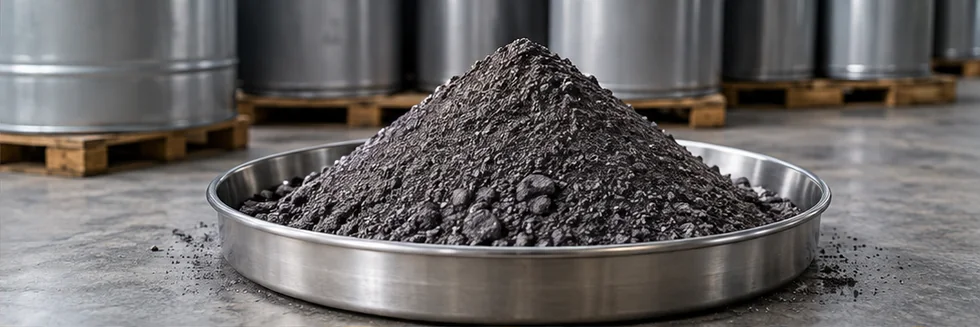
Molybdenum Oxide commonly begins with roasting molybdenite concentrate. Molybdenum content, technical oxide identity, sulfur residual, and impurities define the product sold into alloy-steel demand or further chemical processing. Roasted concentrate and high-purity molybdenum trioxide have different specifications. Some oxide is converted into ferromolybdenum, adding another processing stage before use by steelmakers.
Key Applications & Industrial Demand
Stainless, tool, and other alloy steels use suitable molybdenum additions for performance, while catalysts and chemicals require appropriate refined forms. Steelmakers select oxide or ferroalloy according to process conditions. A technical oxide may not meet a chemical customer's impurity limits.
Key Factors Influencing Molybdenum Oxide Price Movements
- Concentrate and Roaster Balance: Molybdenite supply, byproduct mine output, roasting capacity, energy, and maintenance influence the availability of merchant oxide.
- Payable Chemistry: Molybdenum content, sulfur residual, moisture, and impurities determine payable units and the refining or alloying steps required by the customer.
- Application Grade: Technical oxide and purified chemical grades serve different requirements, while alloy-steel demand and ferromolybdenum conversion influence offtake.
How to Interpret Molybdenum Oxide Pricing Data
Molybdenum oxide can be quoted per pound of contained Mo or another defined metal basis. Confirm assay, dry weight, impurities, and freight. A per-ton oxide figure is not comparable until the molybdenum units and product grade are aligned.
Further reading: USGS Molybdenum Industry Information
Frequently Asked Questions About Molybdenum oxide
What Drives Price Changes for Molybdenum Oxide?
Mine concentrate, roasting availability, stainless and alloy-steel production, inventories, and freight influence prices. Byproduct mining can change molybdenum supply independently of its own demand.
How Do Quality or Specification Differences Affect Molybdenum Oxide Pricing?
Mo assay, sulfur, copper and other contaminants, moisture, and oxide form matter. Technical roasted oxide is not equivalent to a purified chemical-grade material.
Why Can Local Molybdenum Oxide Prices Differ From Global Benchmarks?
Roasting access, conversion capacity, freight, duties, local steel grades, and approved stocks affect prices. Contract metal-unit conventions can further change apparent regional comparisons.