


Understanding Mixed copper scrap Prices
Market Overview & Supply Chain Dynamics
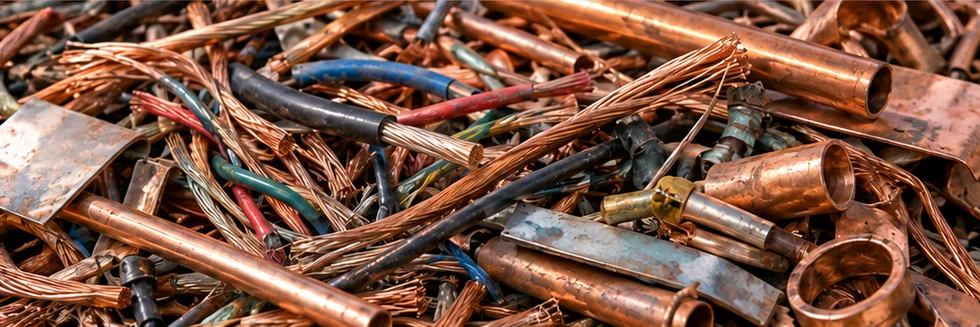
Mixed Copper Scrap differs from clean bare copper because copper content, insulation, solder, and attached materials vary across the load. Assay or agreed visual grading supports a payable recovery calculation. British pound-per-kilogram merchant prices apply to a named accepted scrap class, not refined cathode. Sorting, granulation, smelting, or refining costs must be recovered before mixed copper-bearing material can become a consistent industrial metal input.
Key Applications & Industrial Demand
Scrap processors, cable recyclers, secondary smelters, and refiners purchase different copper-bearing mixtures. Electrical manufacturing and construction generate collection material, while fabrication and refining demand create outlets. Brass-bearing articles, insulated wire, and clean copper offcuts should not be silently pooled under one supposed copper purity.
Key Factors Influencing Mixed Copper Scrap Price Movements
- Metal Composition and Attachments: Copper content, insulation, solder, brass or other metals, and nonmetallic attachments determine the usable material and appropriate scrap classification.
- Recovery and Testing: Assay, visual grading, sorting, cable processing, refining charges, and payable recovery affect the commercial value remaining after converting the load.
- Consuming Demand and Logistics: Refinery and fabricator demand, copper benchmarks, collection competition, freight, and accepted delivery sizes influence merchant bids for mixed material.
How to Interpret Mixed Copper Scrap Pricing Data
Compare a scrap buyer's pounds-per-kilogram offer with the same classification and delivery terms. Establish whether the figure uses gross incoming mass or a metal-content settlement. Refined copper benchmarks provide context but exclude the recovery work and losses in mixed scrap. Regrading, sampling, and rejected materials can alter the amount ultimately paid for an individual load.
Further reading: ReMA: Recycled Metal Grades and Trading Specifications
Frequently Asked Questions About Mixed copper scrap
What Drives Price Changes for Mixed Copper Scrap?
Refined copper markets, recoverable metal, scrap availability, buyer capacity, and processing costs influence prices. Changes in insulation or attachments can move a bid independently of the exchange benchmark.
How Do Quality or Specification Differences Affect Mixed Copper Scrap Pricing?
Identify copper fraction, wire or solid form, insulation, solder, other metals, and assay basis. A mixed load is not interchangeable with clean bare wire or copper cathode.
Why Can Local Mixed Copper Scrap Prices Differ From Global Benchmarks?
Processor capabilities, refinery access, freight, local collection competition, and grading practices differ. Merchant margins also reflect the costs and uncertainty of separating a heterogeneous load.